There is nothing quite as frustrating as pulling a load of laundry out of the dryer only to find it dripping wet, especially when you are trying to stay on top of your household chores. Dealing with a malfunctioning unit in our humid coastal climate often leads many homeowners to search for reliable Appliance Repair in Palm Bay, FL, to get their laundry routines back on track. If your dryer is spinning but failing to produce the heat needed to dry your clothes, you are likely dealing with a specific set of mechanical or electrical hurdles that hinder the heating cycle.
Check Your Power Source
Before diving into complex diagnostics, start with the basics. A dryer that runs but produces no heat often has an issue with its power supply.
- Electric Dryers: These units typically require a 240-volt connection. If one of the fuses in your home’s breaker box has tripped, the motor might still spin on the remaining power, but the heating element will not engage. Check your circuit breaker panel to ensure the dryer switches are fully set to the “On” position.
- Gas Dryers: If you have a gas unit, ensure the gas supply valve is fully open. A dryer that is receiving electricity but no gas will continue to tumble without generating any warmth.
The Impact of Restricted Airflow
In Florida, we rely heavily on our appliances to handle high volumes of laundry. A common culprit for a dryer that won’t heat is restricted airflow caused by lint buildup. When air cannot circulate properly, the internal temperature rises too quickly, causing the dryer’s safety sensors to shut off the heat prematurely to prevent a fire.
Ensure that your lint trap is cleaned after every load. Furthermore, check the exterior vent. If you see lint accumulating outside where the vent exits the home, it is a clear sign that your ductwork is clogged. Poor ventilation is a major issue in laundry maintenance, and keeping these paths clear is vital for efficiency.
Inspecting the Heating Components
If power and airflow are not the issues, the problem likely lies within the internal hardware. Several key parts may need attention:
- The Thermal Fuse: This is a safety device designed to blow if the dryer overheats. Once it blows, the heating circuit is permanently broken until the fuse is replaced.
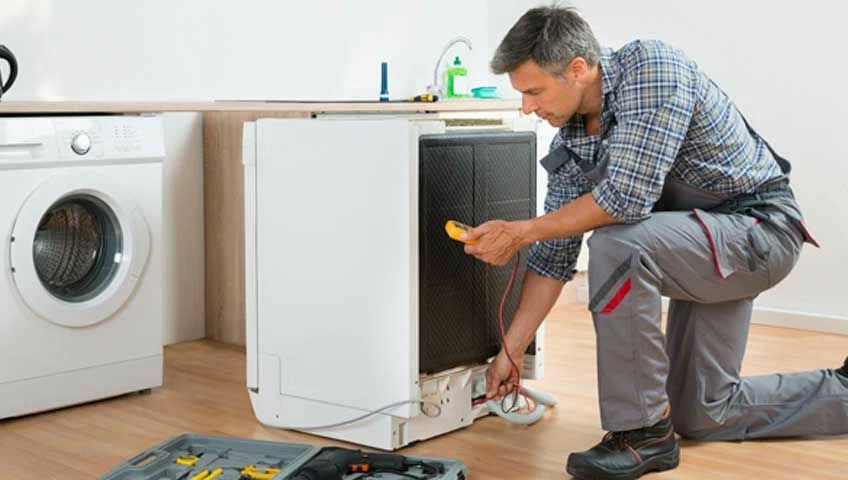
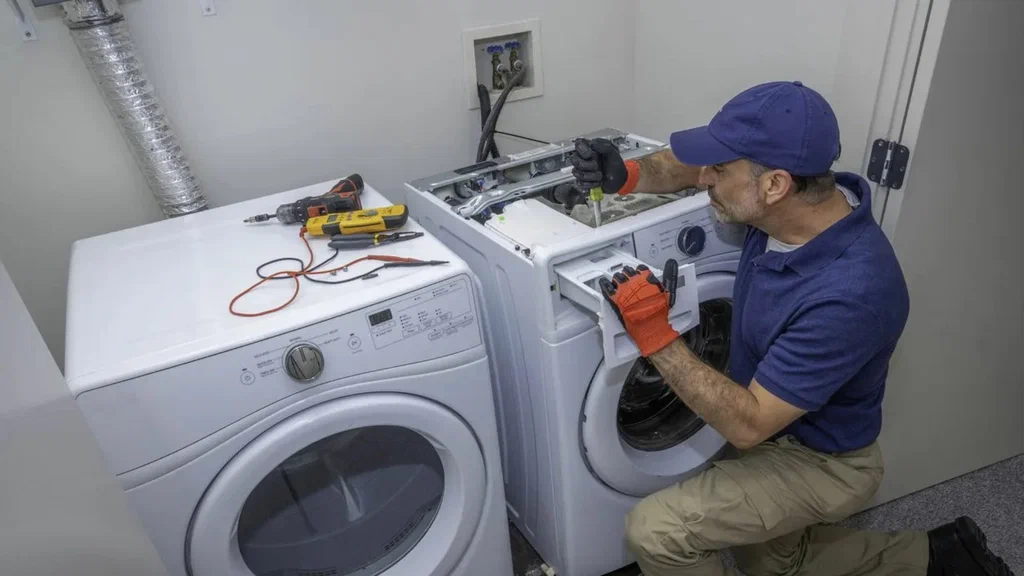
- The Heating Element: Over time, the coils in the heating element can burn out or break. You can often tell if this is the issue by using a multimeter to check for electrical continuity.
- Cycling Thermostat: This part regulates the temperature inside the drum. If it fails, the dryer may stop heating before the clothes are dry.
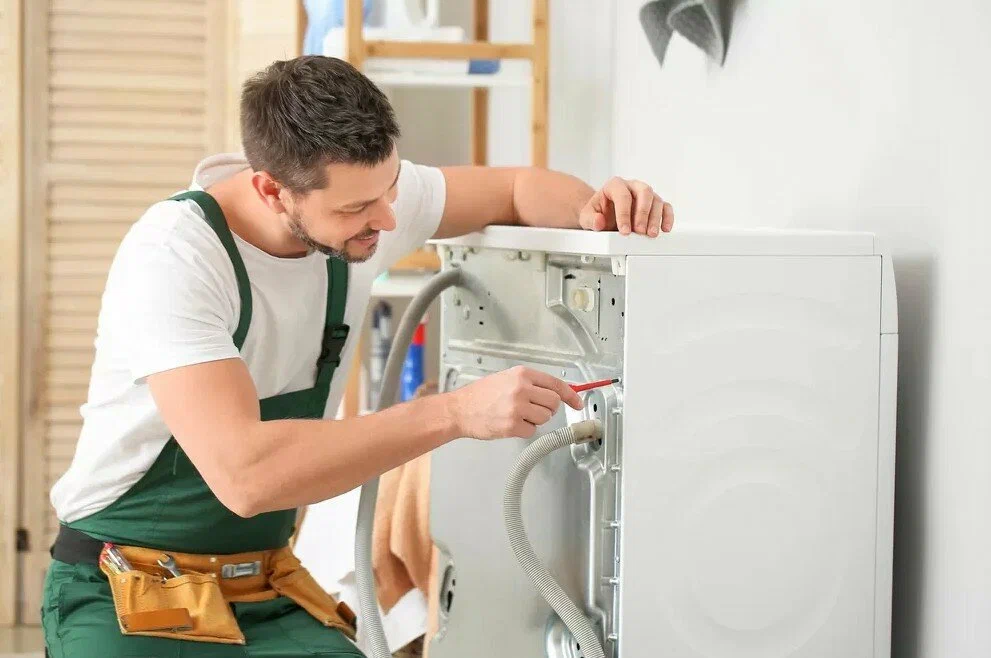
If troubleshooting these internal components feels overwhelming or you lack the proper tools for electrical testing, the team at RMJP Appliance Repair can perform a professional diagnostic check to identify the exact cause of your dryer’s failure.
Knowing When to Call for Help
It is easy to push off minor appliance annoyances, but it is important to be proactive about your home maintenance. Just as you might call for service when you notice an uneven bake or strange burning smells because your oven is about to fail, the same urgency should be applied to your dryer’s performance. Ignoring a heating issue can lead to wasted energy, longer dry times, and increased wear on your clothing.
Preventive Tips for Long-Term Success
To avoid future headaches, consider these simple habits:
- Check Vents Annually: Even if your trap is clean, hire a professional to clean the ductwork from the back of the machine to the outside of your house at least once a year.
- Avoid Overloading: Putting too many clothes in at once strains the motor and disrupts the airflow needed for even drying.
- Monitor Cycles: Pay attention to how long it takes for a load to dry. If you notice a sudden jump in time, perform a quick inspection before the component fails completely.