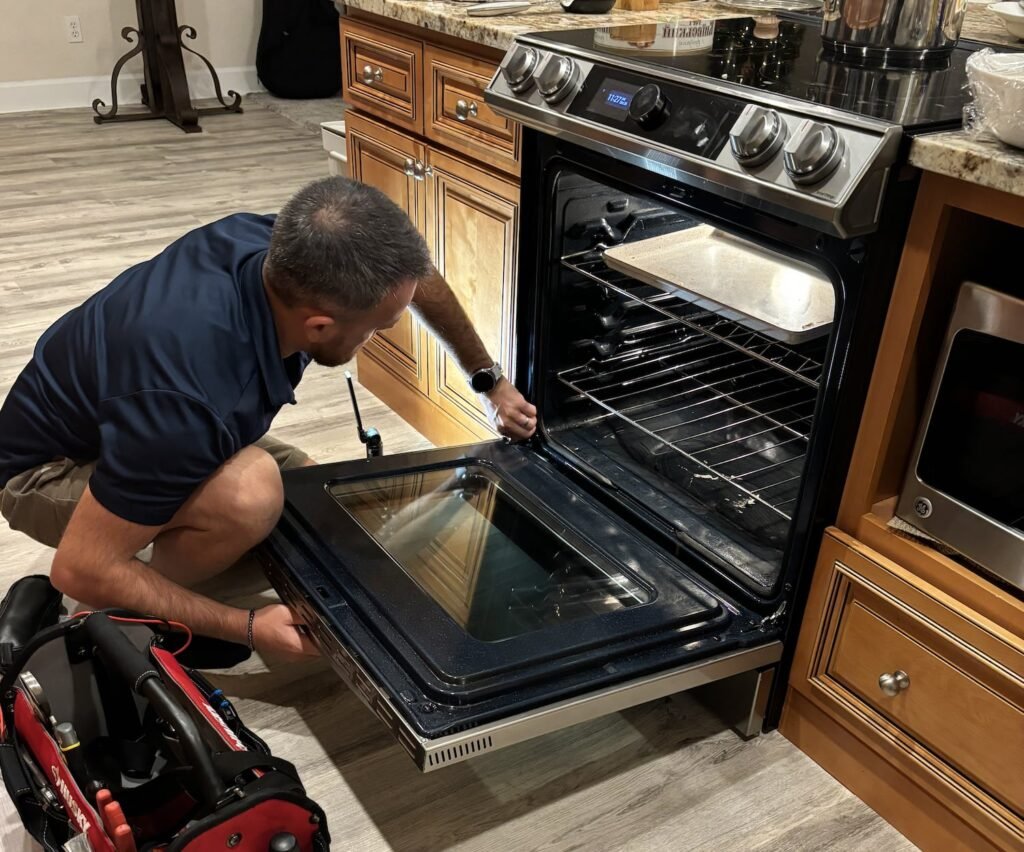
There is nothing quite as frustrating as opening your freezer door only to be greeted by a thick wall of ice instead of your frozen goods. If you live near the coast, this issue can be surprisingly common due to the unique climate, leading many homeowners to search for reliable Appliance Repair in Palm Bay, FL. When excess ice accumulates—a condition often called “icing over”—it doesn’t just take up valuable storage space. It forces your appliance to work significantly harder, driving up your energy bills and potentially leading to permanent mechanical failure.
Understanding why this happens is the first step toward reclaiming your freezer’s efficiency. Here are the most common reasons why your freezer is turning into an ice cave.
The Most Common Culprit: Worn Door Gaskets
The seal around your freezer door, known as the gasket, is the primary line of defense against the outside environment. Its job is to keep cold air inside and warm, humid air out. If the gasket becomes brittle, torn, or loose, it creates a gap.
Every time you open and close the door, the temperature difference between your freezer and the humid Florida air causes condensation. If that air is constantly leaking in through a compromised seal, the moisture freezes immediately on the coldest surfaces—the evaporator coils and the interior walls. If you can slide a piece of paper through the closed door with no resistance, your gasket is failing and needs to be replaced.
Usage Habits and Moisture Ingress
Sometimes the problem isn’t mechanical; it’s habitual. While it sounds simple, leaving the door open for extended periods while deciding what to cook is a major cause of frost accumulation. Every second the door is open, you are inviting warm air into the chamber.
Furthermore, storing uncovered food or liquids inside the freezer can contribute to the problem. As the moisture evaporates from the food, it settles on the interior surfaces as frost. To keep your freezer functioning at its best, try to wrap all food items securely and minimize how long the door stays open.
Defrost System Failures
Modern freezers are “frost-free,” meaning they are designed to automatically melt away light frost on a regular cycle using a defrost heater, a timer, and a thermostat. If any of these components fail, the frost will build up indefinitely.
- The Defrost Heater: If this burns out, the ice won’t melt during the cycle.
- The Defrost Timer: If the timer gets stuck, the heater never gets the signal to turn on.
- The Temperature Sensor: A faulty sensor might not tell the system when to initiate the cycle.
If you notice that your freezer is packed with ice but the temperature inside is rising, the defrost system is almost certainly the culprit.
Environmental Stress
It is vital to realize that our local climate plays a massive role in how these machines operate. You must be proactive to maintain appliances during hot summers, as the increased ambient temperature forces the cooling system to cycle more frequently. When the exterior environment is hot and humid, even a tiny air leak in your freezer seal creates rapid condensation, which turns into thick ice within hours rather than days.
When to Seek Professional Help
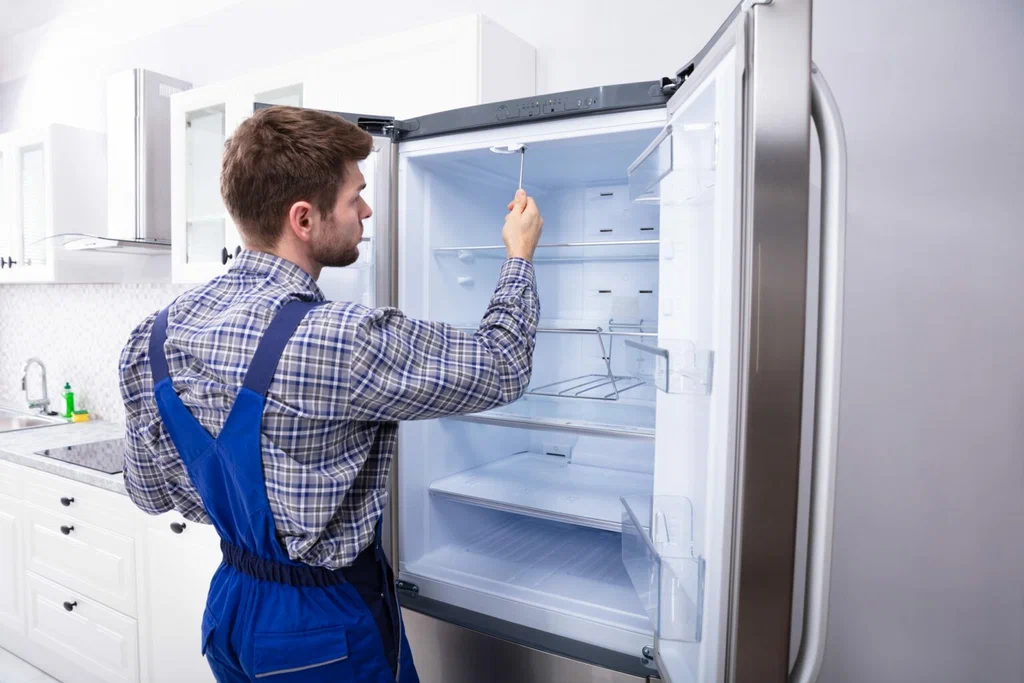
If you have inspected your door seals, checked your food storage habits, and verified that your freezer isn’t overcrowded, yet the ice persists, there might be a deeper electrical or system-wide issue at play. This is where the experts at RMJP Appliance Repair can step in to perform a professional diagnostic. Dealing with electrical components or sealed refrigeration systems is best left to trained technicians to avoid damage or safety risks.
Final Thoughts on Freezer Care
Dealing with ice buildup is rarely a one-time fix. It requires a combination of good habits and occasional technical maintenance. By keeping your gaskets clean, organizing your frozen goods to allow for proper airflow, and addressing temperature inconsistencies early, you can avoid the headache of a total system freeze-up.