What Appliances Should Be Installed by a Professional?
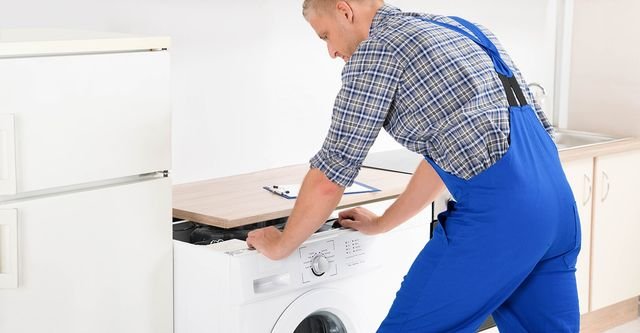
Upgrading your living space with new household machinery is a rewarding investment, but deciding whether to tackle the setup yourself or hire an expert is a critical choice. While plugging in a countertop toaster or small microwave is completely safe for any homeowner, major units involve complex utility connections, heavy lifting, and strict building codes. Attempting a DIY setup on complex equipment can lead to structural damage, voided warranties, and severe safety hazards. Securing certified Appliance Installation in Palm Bay, FL guarantees that your heavy units are hooked up properly, protecting both your property and your family from day one.
Gas Ranges, Cooktops, and Wall Ovens
Gas-powered kitchen equipment should always be handled by trained specialists due to the inherent risks of working with flammable fuel lines.
- Fuel Line Seals: Connecting a gas stove requires applying specialized pipe joint compounds or yellow PTFE tape rated for gas lines. A single loose fitting can leak natural gas or propane into your home.
- Leak Detection: Certified installers use electronic gas detectors and pressure tests to confirm that every joint is completely airtight before turning on the fuel supply.
- Ventilation Standards: Proper exhaust hoods and ventilation systems must be verified to prevent the accumulation of toxic carbon monoxide and combustion byproducts inside your kitchen.
Built-In Dishwashers and Garbage Disposals
Kitchen units that combine pressurized water systems with high-voltage electricity require double the caution during setup.
- Dual Utility Connections: Dishwashers must be wired into your electrical system while simultaneously connecting to hot water supply lines and under-sink drainage pipes.
- Backflow Prevention: Installers ensure drain lines are routed with a high loop or air gap to prevent contaminated sink water from siphoning back into your clean dish basin.
- Precise Leveling and Mounting: A dishwasher that is not perfectly level will leak water under your kitchen cabinets, leading to hidden subfloor rot and mold growth.
High-Voltage Electric Ranges and Clothes Dryers
Heavy-duty electrical machines demand far more power than standard household devices, making electrical safety a top priority.
- 240-Volt Outlets: Electric dryers and ranges require dedicated 240V high-voltage circuits. Miswiring these heavy-duty outlets can instantly fry internal circuit boards or trigger electrical fires.
- 4-Prong Cord Conversion: Older homes often have 3-prong outlets, while modern units require 4-prong cords to separate the neutral wire from the grounding wire. A professional ensures your equipment meets current national electrical safety codes.
- Exhaust Ducting: Dryers require rigid metal ductwork to route hot, lint-heavy exhaust outside safely without creating fire hazards.
Refrigerators with Integrated Water and Ice Lines
While plugging in a basic refrigerator seems straightforward, modern models with built-in water filters, ice makers, and door dispensers are far more complex.
- Pressurized Plumbing Connections: Connecting a fridge to your home’s water main requires running small copper or braided stainless steel supply tubing without kinking the line.
- Pressure Regulation: Improper water pressure can cause internal ice maker valves to stick open, flooding your kitchen floor while you sleep.
- Compressor Air Clearance: Installers ensure proper spacing behind and above the cabinet so the cooling coils can dissipate heat, preventing premature compressor failure.
Why Proper Appliance Setup Protects Your Property
Cutting corners during delivery day often leads to premature mechanical failures, structural leaks, and safety hazards. Investing in Proper Appliance Setup guarantees that every utility line, electrical ground, and mounting bracket is secured according to strict manufacturer specifications. Professional setup also preserves your warranty coverage, as many manufacturers refuse to pay for repairs caused by improper home hookups, unlevel mounting, or inadequate ventilation.
Built-In Microwaves and Range Hoods
Over-the-range microwaves and exhaust hoods present unique installation challenges because they combine electrical wiring, wall mounting, and structural ventilation.
- Heavy Wall Anchoring: These units must be anchored securely into wall studs to prevent them from tearing free from the drywall and falling onto your cooktop.
- Duct Work Alignment: Exhaust hoods must align perfectly with existing home ventilation ducts to route steam, smoke, and airborne grease outside efficiently.
Trust Local Specialists for Safe Equipment Hookups
Handling gas flex lines, high-voltage wiring, and pressurized water connections is never a recommended DIY project. A single misaligned clamp or cross-threaded pipe fitting can cause thousands of dollars in water, gas, or electrical fire damage.
Partnering with an experienced service team like RMJP Appliance Repair INC ensures that every item on your setup checklist—from gas pressure checks to floor leveling—is completed thoroughly. Certified specialists carry the proper diagnostic tools, leak detectors, and technical training needed to handle heavy machinery safely.
Conclusion
Knowing which machines require expert care protects your home from accidental damage and keeps your household running without interruption. From gas lines to high-voltage electrical panels, hiring trained technicians guarantees that every connection meets local safety standards.
When it is time to upgrade your home’s machinery, calling on specialists like RMJP Appliance Repair INC ensures your investment is set up correctly right from the start. Professional setup sets the foundation for years of quiet, safe, and energy-efficient performance from all your major household equipment.