When Should You Replace or Upgrade Your Home Appliances?
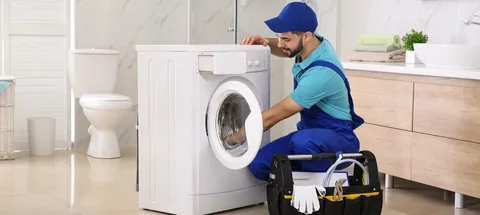
Every home relies on a network of heavy-duty machinery to handle daily chores efficiently. From preserving fresh produce to keeping clothes clean, these systems work continuously behind the scenes. However, no household machine lasts forever. As units age, they lose operational efficiency, break down more frequently, and consume excessive energy. Deciding whether to keep repairing an aging unit or invest in a modern replacement is a critical choice for homeowners. When a machine reaches the end of its functional life, booking certified Appliance Installation in Palm Bay, FL ensures that your new energy-efficient upgrade is hooked up safely and operates at peak performance. Knowing the right time to replace your equipment saves you money, time, and unnecessary stress.
Evaluating the Age of Your Current Equipment
Every major household unit has an average operational lifespan defined by industry standards. Understanding where your equipment falls on this timeline helps you anticipate future failures:
- Refrigerators and Freezers: Typically last 10 to 13 years. Cooling compressors and sealed systems tend to fail after a decade of continuous run time.
- Washing Machines and Dryers: Generally remain reliable for 8 to 12 years. High-speed spin motors, drum bearings, and heating elements experience significant mechanical stress over time.
- Dishwashers: Average a lifespan of 8 to 10 years. Water pump seals, heating coils, and electronic control modules gradually degrade from daily water exposure.
- Ranges, Stoves, and Ovens: Gas and electric cooking units can last 12 to 15 years, though surface burners and electronic igniters often require maintenance earlier.
If your machine has surpassed its expected service life and requires frequent service calls, replacing it is usually the most cost-effective choice.
Frequent Breakdowns and the 50 Percent Rule
A reliable rule of thumb for deciding between repair and replacement is the “50 Percent Rule.” If a repair estimate costs more than 50% of the price of a brand-new machine—and your current unit is already past half its expected lifespan—replacement is the smarter financial investment.
Continuously paying for minor fixes like replacing worn belts, broken door latches, or failing sensors on an old unit quickly adds up. Instead of pouring money into a failing machine, putting those funds toward a modern replacement gives you updated technology, improved performance, and fresh manufacturer warranty coverage.
Unexplained Spikes in Energy and Water Bills
Older machinery operates far less efficiently than modern, Energy Star-certified units. As motors, heating elements, and cooling compressors age, they require significantly more electricity and water to achieve the same results.
- Refrigerators: An old fridge with worn door gaskets or dusty internal coils runs almost constantly, driving up electric bills.
- Washing Machines: Older top-loading models use up to twice as much water per cycle compared to high-efficiency modern front-loaders.
- Dishwashers: Newer models use advanced sensor technology to adjust water usage dynamically, cutting both energy and water consumption.
Upgrading to modern, eco-friendly models lowers monthly utility bills, allowing the new unit to pay for itself over time.
Finding the Right Location for New Appliances
When you decide to replace aging machinery, planning the installation space is just as important as selecting the model itself. As you select the Right Location for New Appliances, ensure the spot offers adequate physical clearance, proper airflow for cooling coils, and easy access to utility hookups like dedicated 240V electrical outlets or pressurized water supply valves. Proper spatial planning prevents operational overheating and ensures that your new investment functions safely and efficiently right from day one.
Safety Concerns and Major Component Failures
Certain mechanical issues present immediate safety hazards or signal catastrophic system failure. In these situations, replacing the unit immediately is critical to protect your living space:
- Electrical Hazards: Frayed internal wiring, scorching around power cords, or units that repeatedly trip circuit breakers pose severe fire risks.
- Severe Gas Leak Risks: Older gas stoves or dryers with rusted fuel line connections or failing safety shut-off valves should be replaced without delay.
- Ruptured Tanks and Structural Leaks: Washing machine tubs or dishwasher basins that crack and cause standing water leaks can trigger massive subfloor rot and toxic mold growth.
Handling major system failures promptly prevents hazardous conditions and protects your property from costly damage.
Outdated Technology and Shifting Lifestyle Needs
Sometimes, an upgrade makes sense even if the current unit still functions. Modern home machinery offers smart features, improved ergonomics, and greater capacity that better suit expanding families or busy daily routines:
- Smart Diagnostics: Modern equipment connects to Wi-Fi, allowing you to monitor cycles remotely and receive instant diagnostic alerts on your smartphone.
- Noise Reduction: Advanced motor damping and acoustic insulation make modern dishwashers and laundry units significantly quieter, ideal for open-concept homes.
- Higher Capacity: Upgrading to larger-capacity washers or multi-door refrigerators reduces the number of laundry loads or grocery trips needed each week.
When upgrading your home’s setup, trusting an experienced team like RMJP Appliance Repair INC guarantees that both the removal of old units and the hookup of new equipment are executed cleanly and securely.
Partner with Certified Specialists for Your Next Upgrade
Transitioning from old machinery to modern equipment requires handling complex electrical wiring, pressurized water hoses, and gas flex lines. Attempting a DIY setup on complex units can result in voided warranties or accidental property damage.
Working with local specialists like RMJP Appliance Repair INC ensures that every connection—from gas line bubble tests to precise floor leveling—is performed according to local safety codes. Certified technicians possess the specialized tools, leak detectors, and technical expertise required to set up your new equipment seamlessly.
Conclusion
Knowing when to replace or upgrade your home machinery empowers you to make smart financial decisions. Balancing the unit’s age, repair costs, energy efficiency, and safety features helps you avoid the stress of sudden breakdowns.
When you are ready to modernize your space with new equipment, calling on local specialists like RMJP Appliance Repair INC guarantees that your new setup is handled safely and efficiently. Investing in timely upgrades enhances daily convenience, lowers energy bills, and keeps your household running reliably for years to come.