Why Appliance Placement Matters in Florida Homes
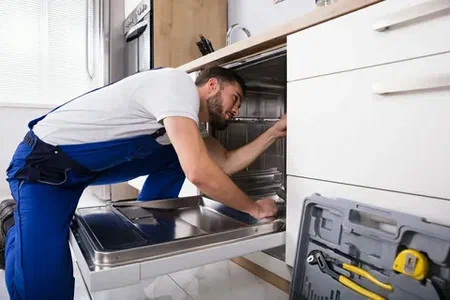
Living in Florida brings sunshine, beautiful weather, and warm coastal breezes, but it also presents unique climate conditions that impact your household systems. High humidity, salt air, intense summer heat, and seasonal power fluctuations place extra stress on heavy machinery. Positioning your refrigerators, laundry units, and cooking equipment in the ideal spot is critical for maintaining efficiency and extending their operational life. Scheduling certified Appliance Installation in Palm Bay, FL ensures that your units are placed, leveled, and ventilated to withstand coastal environmental factors. Strategic placement keeps your equipment running smoothly while protecting your home investment.
Managing Humidity and Indoor Moisture Levels
Florida’s elevated ambient humidity presents a constant challenge for major household machinery. Excessive moisture in the air accelerates metal corrosion, rusts outer cabinets, and damages sensitive electronic circuit boards.
- Ventilation in Laundry Rooms: Front-loading washers and clothes dryers need well-ventilated, climate-controlled spaces. Placing these units in cramped, unconditioned closets encourages mold, mildew, and foul odors inside wash drums.
- Exhaust Ducting Efficiency: Moisture-heavy exhaust from dryers must route directly outside through rigid metal ductwork. Poorly routed exhaust lines release humid air back into your living space, forcing your central air conditioner to work harder.
- Corrosion Control: Placing equipment away from damp outer walls or coastal drafts helps protect internal wiring harnesses and metal housing from premature rust.
Managing Heat Build-Up and Air Circulation
Florida’s year-round heat forces cooling compressors and cooling fans to operate continuously. Proper spatial placement ensures that your equipment can dissipate heat effectively without overheating.
- Refrigerators and Freezers: Avoid placing your refrigerator in direct sunlight or right next to hot ovens and ranges. Direct heat sources force cooling compressors to run non-stop, raising monthly electric bills and shortening motor life.
- Wall Clearances: Always leave adequate breathing room—at least one inch—behind and above cooling cabinets. Restricted airflow around condenser coils traps heat, leading to premature compressor failure.
- Garage Appliances: Placing secondary freezers or fridges in unconditioned Florida garages subjects them to extreme ambient temperatures, drastically reducing their cooling efficiency and lifespan.
Preventing Salt Air Corrosion in Coastal Areas
For homes located near the ocean, airborne salt poses a silent threat to metallic components, outdoor condenser units, and internal wiring.
- Protecting Metal Enclosures: Position water heaters, laundry units, and secondary fridges inside fully enclosed, conditioned spaces rather than open carports or screened porches.
- Sealing Utility Lines: Utility entry points where water pipes, electrical lines, or exhaust ducts penetrate exterior walls must be sealed tightly to keep humid, salty air from creeping into cabinet housings.
Simple Strategies to Protect Your New Appliances
Taking proactive measures during delivery and positioning is essential for long-term reliability. To Protect Your New Appliances from Florida’s harsh environmental conditions, choose dry, climate-controlled locations with easy access to dedicated electrical outlets and pressurized water supply lines. Proper positioning shields delicate microprocessors from humidity, prevents rust on cabinet panels, and ensures internal cooling systems operate efficiently without excessive power consumption.
Protecting Equipment from Electrical Surges
Florida is widely known as the lightning capital of the country, making electrical surge protection a critical consideration when deciding where to plug in your machinery.
- Dedicated Wall Outlets: High-draw machinery must connect directly to dedicated wall outlets rather than extension cords or multi-plug adapters that increase electrical fire hazards.
- Surge Protection Placement: Ensure your equipment sits near grounded wall outlets that can accommodate point-of-use surge protectors to shield sensitive microprocessors from lightning strikes and grid fluctuations.
Flooring Stability and Leveling in Coastal Homes
Many Florida homes feature tile or concrete slab subfloors that require precise leveling during equipment setup.
- Vibration Reduction: Washing machines and dryers placed on uneven tile floors can shake violently during high-speed spin cycles, causing internal drum bearings and suspension rods to wear out rapidly.
- Preventing Water Pooling: Ensuring units like dishwashers sit perfectly level prevents hidden water pooling beneath kitchen cabinets, protecting subfloors from moisture damage and mold growth.
Partner with Certified Specialists for Optimal Placement
Navigating spatial clearances, electrical requirements, and Florida-specific climate factors can be tricky for any homeowner. Positioning heavy machinery incorrectly can lead to elevated utility bills, voided warranties, or premature component breakdown.
Working with an experienced service team like RMJP Appliance Repair INC guarantees that your layout is thoroughly evaluated before utility connections are made. Certified specialists use specialized diagnostic tools, leveling gear, and environmental expertise to ensure every unit is safely anchored, grounded, and vented.
Conclusion
Proper placement is the foundation of a safe, efficient, and long-lasting household setup in Florida. Accounting for indoor humidity, airflow clearances, salt air exposure, and electrical surge risks prevents unnecessary mechanical repairs and lowers energy consumption.
When upgrading your home’s setup, trusting local specialists like RMJP Appliance Repair INC gives you total peace of mind that every connection meets strict regional safety standards. Investing time in strategic placement ensures quiet, reliable, and energy-efficient performance from your machinery for years to come.