When Is the Best Time to Replace Your Old Home Appliances?
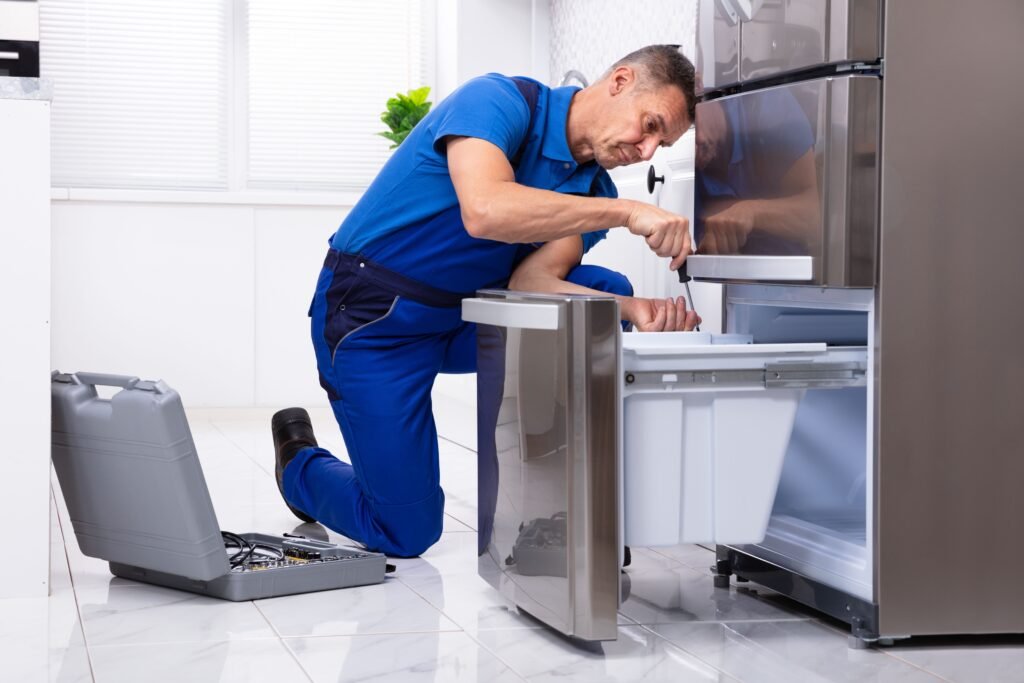
Every major machine in your home has a finite operational lifespan. While regular maintenance and timely tune-ups keep your household running smoothly, there comes a point when repairing an aging unit no longer makes financial sense. Knowing when to replace your equipment helps you avoid sudden breakdowns, unexpected water damage, and inflated monthly power bills. If you are noticing persistent mechanical issues, planning a timely replacement and scheduling expert Appliance Installation in Palm Bay, FL ensures your new equipment is connected safely without disrupting your daily routine.
Frequency and Rising Cost of Repairs
One of the clearest indicators that an appliance is reaching the end of its service life is how often it breaks down. Occasional component wear is normal, but frequent service calls quickly add up.
- The 50% Rule: A helpful industry standard is the 50% rule. If an old unit requires a fix that costs half as much as a brand-new model—and it is already past half its expected lifespan—replacement is almost always the smarter investment.
- Cascading Component Failures: When primary parts like a compressor, drive motor, or main control board fail on an older system, secondary parts often fail shortly after.
Investing money into an aging machine offers diminishing returns, whereas a new unit provides fresh warranty coverage and long-term reliability.
Unexplained Spikes in Utility Bills
As machinery ages, internal components degrade and lose efficiency. Motors must work harder, heating elements require more power, and door seals lose their airtight fit.
If your electric or water bills are steadily climbing despite consistent usage habits, an inefficient machine is often the culprit. An old refrigerator with a failing compressor or a worn door gasket will run almost continuously to maintain cooling temperatures. Upgrading to modern ENERGY STAR® certified equipment cuts power consumption significantly, helping offset the initial purchase cost through ongoing monthly savings.
Age of the Unit vs. Industry Lifespan Standards
Understanding the average lifespan of major household machinery allows you to plan upgrades proactively before an emergency shutdown occurs:
- Refrigerators and Freezers: 10 to 12 years
- Washing Machines and Clothes Dryers: 8 to 11 years
- Dishwashers: 9 to 10 years
- Gas and Electric Ranges: 13 to 15 years
If your machines are approaching or exceeding these age benchmarks, even minor performance drops indicate that a total system failure could be right around the corner.
Key Considerations for How to Choose the Right Appliances
When your aging equipment reaches the point where repairs are no longer cost-effective, knowing how to choose the right appliances for your home is the next critical step. Evaluating capacity needs, spatial measurements, and utility hookup requirements guarantees that your new selection fits your layout and meets your household demands. Preparing your space ahead of time ensures that delivery day goes smoothly and that your replacement operates at peak performance right from the start.
Safety Hazards and Irreparable Physical Damage
Certain symptoms move replacement from a casual choice to an urgent necessity. Continuing to operate a severely damaged unit poses serious safety risks to your property and family:
- Electrical Hazards: Burning plastic odors, frayed wiring, or outlets that spark when an appliance turns on signal critical electrical faults.
- Structural Rust and Tub Cracks: Severe rust inside a dishwasher or washing machine tub weakens the frame and causes unfixable water leaks.
- Gas Line Risks: Older gas ranges that fail to ignite cleanly or show visible corrosion around supply connections must be evaluated immediately.
When complex electrical or plumbing connections are involved, relying on an experienced team like RMJP Appliance Repair INC guarantees safe removal of the old unit and precise hookup of the new one.
Excessive Noise, Vibration, and Performance Drops
While no large machine operates in total silence, severe grinding, banging, or screeching sounds indicate advanced mechanical failure. Unbalanced washer tubs, failing dryer motor bearings, and rattling refrigerator coils mean internal parts are grinding themselves down.
Furthermore, if your dryer requires multiple cycles to dry a single load, or if your dishwasher leaves dishes dirty, internal heating elements and pumps are failing. Replacing degraded machinery restores peace and quiet to your home while restoring optimal performance. When performance drops occur unexpectedly, contacting RMJP Appliance Repair INC helps you determine whether a quick repair or a full replacement is the most cost-effective path.
Conclusion
Waiting for a major household machine to break down completely leaves you scrambling for emergency fixes and riskier temporary setups. By monitoring the age, repair frequency, and energy efficiency of your equipment, you can plan upgrades on your own schedule and budget.
When the time comes to modernize your home, securing certified Appliance Installation in Palm Bay, FL guarantees that every electrical, water, and gas line is handled with precision. Proactive replacements eliminate daily stress, lower your energy costs, and keep your home operating smoothly for years to come.