What Are the Common Mistakes in Appliance Installation?
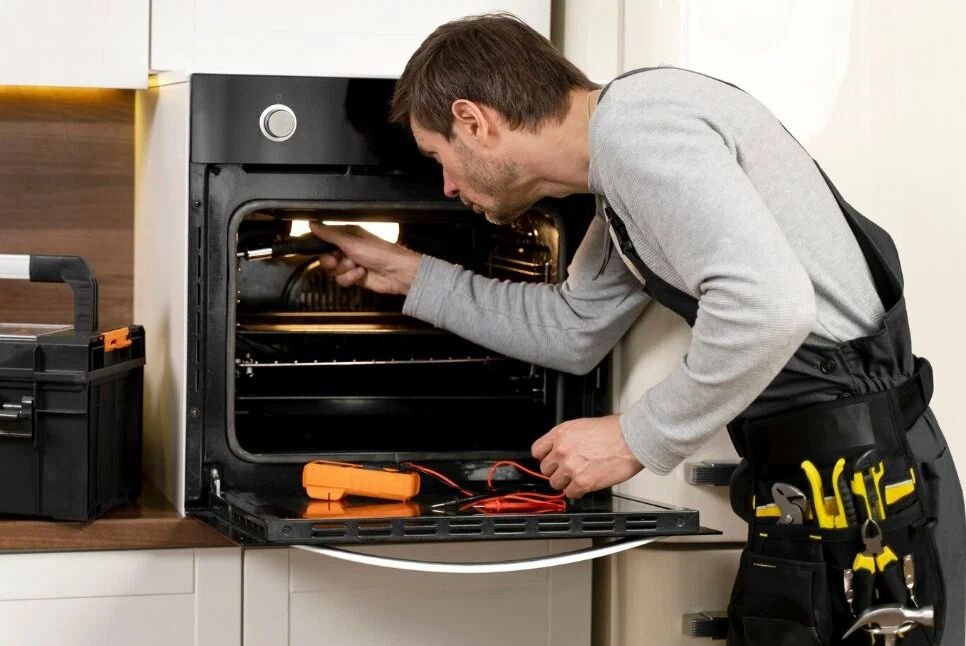
Upgrading your home with new equipment brings enhanced efficiency, modern convenience, and improved performance to your daily life. However, even the most advanced machine will fail to perform correctly if it is improperly connected. Many homeowners attempt DIY setups or rush through hookups, leading to accidental property damage, reduced energy efficiency, and safety hazards. Booking professional Appliance Installation in Palm Bay, FL guarantees that your investments are connected correctly and in full compliance with safety standards. Recognizing common setup mistakes helps you avoid costly fixes and ensures a smooth, stress-free transition.
Ignoring Accurate Measurements and Spatial Clearances
One of the most frequent setup errors occurs before the equipment even enters the house. Failing to measure pathways and installation spaces accurately leads to delivery roadblocks and poor machine performance.
- Tight Entryways: Forgetting to measure doorways, stairwells, and tight hallways often results in scuffed walls, dented equipment, or delivery crews being unable to reach the room.
- Lack of Ventilation: Machines like refrigerators, dryers, and ranges need adequate breathing room to dissipate heat and vent exhaust. Placing a unit too flush against a wall traps heat, causing cooling compressors or heating elements to overheat and burn out prematurely.
Taking precise spatial measurements and accounting for door swing clearance ensures a perfect fit without sacrificing ventilation.
Incorrect Electrical and Voltage Hookups
Modern household machinery relies on delicate electronic control boards that require stable, correctly matched electrical power. Plugging an appliance into an improper outlet is a major hazard.
Standard units run on 120V circuits, but heavy-duty equipment like electric clothes dryers, ranges, and wall ovens require dedicated 240V lines. Forcing a high-voltage unit onto an underpowered circuit or using thin extension cords can trip breakers, fry internal control boards, or cause electrical fires. Additionally, bypassing proper grounding connections exposes your family to severe shock risks.
Improper Plumbing Connections and Reused Hoses
Plumbing-dependent units—such as washing machines, dishwashers, and refrigerators with ice makers—present high risks for water damage if connected incorrectly.
- Reusing Old Hoses: A major mistake is connecting a brand-new unit using old, worn-out rubber supply lines. Aged rubber hoses degrade internally and can burst under pressure, flooding your home within minutes. Always upgrade to durable braided stainless steel lines.
- Loose Fittings and Kinked Lines: Over-tightening or under-tightening water fittings damages thread seals and causes slow, hidden leaks behind walls or under cabinets. Kinked drain lines also prevent dishwashers and washers from draining properly, leading to stagnant water buildup.
Recognizing When It Is Time to Replace Your Old Home Appliances
Improper setup often stems from trying to force new units into outdated setups meant for aging machinery. Knowing when it is Time to Replace Your Old Home Appliances allows you to plan space upgrades and utility checks in advance. Upgrading your utility lines along with your machinery prevents setup delays and ensures your new investment runs at peak efficiency without risking damage to your home’s infrastructure.
Skipping Precision Unit Leveling
Placing a machine on an uneven surface might seem like a minor cosmetic issue, but off-balance operation causes severe mechanical degradation over time.
Washing machines and dryers that are not perfectly level will vibrate aggressively during high-speed spin cycles. This constant shaking puts extreme stress on motor bearings, suspension springs, and drive belts, leading to premature mechanical failure and loud rattling noises. Installers must use precision bubble levels and adjust the leveling legs carefully to keep the unit stable. When dealing with complex setups or uneven flooring, relying on a skilled team like RMJP Appliance Repair INC ensures proper balance and vibration control.
Failing to Perform Comprehensive Safety Checks
The setup process is not complete simply because a machine turns on. Skipping essential post-setup safety checks can leave subtle, dangerous hazards unnoticed:
- Gas Line Testing: Gas ranges and dryers must be tested using leak-detection solutions or electronic snubbers to verify there are zero gas leaks at the shut-off valve connections.
- Drain and Water Pressure Checks: Running a test cycle on dishwashers and washing machines verifies that water valves shut off properly under pressure and that drain pumps clear water without backflow.
Partnering with certified experts like RMJP Appliance Repair INC gives you peace of mind that every gas, water, and electrical connection has been tested thoroughly before regular daily use.
Conclusion
Avoiding common setup mistakes saves you from unexpected repair bills, water damage, and safety risks. Measuring spaces carefully, upgrading plumbing lines, matching electrical voltages, and ensuring precision leveling protect both your home and your new investment.
When you are ready to install new equipment, scheduling expert Appliance Installation in Palm Bay, FL guarantees a flawless setup. Letting trained specialists handle the technical connections ensures your household machines run smoothly, safely, and efficiently for years to come.