When a major home system stops running correctly, it instantly disrupts your daily routine. Finding a solution quickly becomes a top priority, whether your refrigerator isn’t cooling or your dryer refuses to heat up. In coastal areas where humidity can impact electronics, securing reliable Appliance Repair Services in Satellite Beach, FL, is often the fastest way to get an expert diagnostic. However, before you panic and schedule an emergency visit, learning basic troubleshooting steps can help you identify whether a malfunction is a simple fix or a serious mechanical issue requiring specialized attention.
Start with the Electrical Basics
It may sound obvious, but a significant percentage of service calls turn out to be simple power issues. Appliances vibrate during operation, which can gradually loosen electrical plugs from their sockets over time.
- Check the Breaker Panel: High-draw kitchen and laundry units can easily overload a circuit, causing a breaker to trip. Locating your home’s main electrical panel and resetting the corresponding switch should always be your first move.
- Inspect the Power Cord: Look closely at the power cord for any visible signs of fraying, melting, or severe bends. If an outlet looks charred or feels warm to the touch, discontinue use immediately to prevent a fire hazard and consult a professional technician.
Deciphering Error Codes and Digital Displays
Modern smart machines are equipped with onboard diagnostics that display specific alphanumeric error codes when something goes wrong. These codes are designed to pinpoint exactly which sensor or component is malfunctioning.
- Consult the Manual: Instead of guessing why your washer is flashing a mysterious code, check the manufacturer’s user manual or search the code online. It will often tell you if the problem is a minor issue, like an unbalanced load, or a serious system failure.
- Smart Device Reset: Sometimes, the internal control board simply experiences a software glitch. Unplugging the unit or turning off its breaker for 10 full minutes can clear the memory and reset the system back to normal operation.
Addressing Poor Performance and Efficiency Drops
Not all issues cause a machine to shut down completely. Often, the device keeps running but fails to do its job effectively, such as a dishwasher leaving spots on glasses or a dryer taking multiple cycles to dry clothes.
- Look for Clogs and Blockages: Restricted airflow or water flow is the primary cause of poor efficiency. Clean out your dryer exhaust duct, check the dishwasher spray arms for trapped food particles, and replace dirty air filters.
- The Expert Solution: If cleaning the filters doesn’t improve performance, internal parts like heating elements or water valves may be failing. Having a trusted team like RMJP Appliance Repair inspect these components can restore your unit’s efficiency before the hardware breaks down entirely.
Inspecting Door Latches and Safety Switches
Household devices are engineered with safety mechanisms that prevent them from running if a door or lid isn’t completely secure. If a microswitch cannot confirm a tight seal, the entire system will refuse to engage.
- Clean the Seals: Built-in grime, soap scum, or stray clothing can physically block a door latch from making full contact. Wipe down rubber gaskets with a damp cloth and check for physical alignment issues.
- Test the Mechanical Latch: If a door closes tightly but you don’t hear a distinct clicking sound, the latch mechanism might be broken. For complex safety switch replacements, relying on a local specialist ensures that the replacement parts are installed safely and accurately.
Managing Common Home Equipment Problems
Taking care of minor issues early prevents them from escalating into major operational failures. Many home equipment problems stem from simple neglect, such as ignoring a minor water leak or operating an unbalanced washing machine. Dedicating just a few minutes each month to inspect supply hoses, clean out lint traps, and level your machines will dramatically reduce the frequency of unexpected breakdowns and keep your utility bills low.
Knowing When to Put Down the Tools
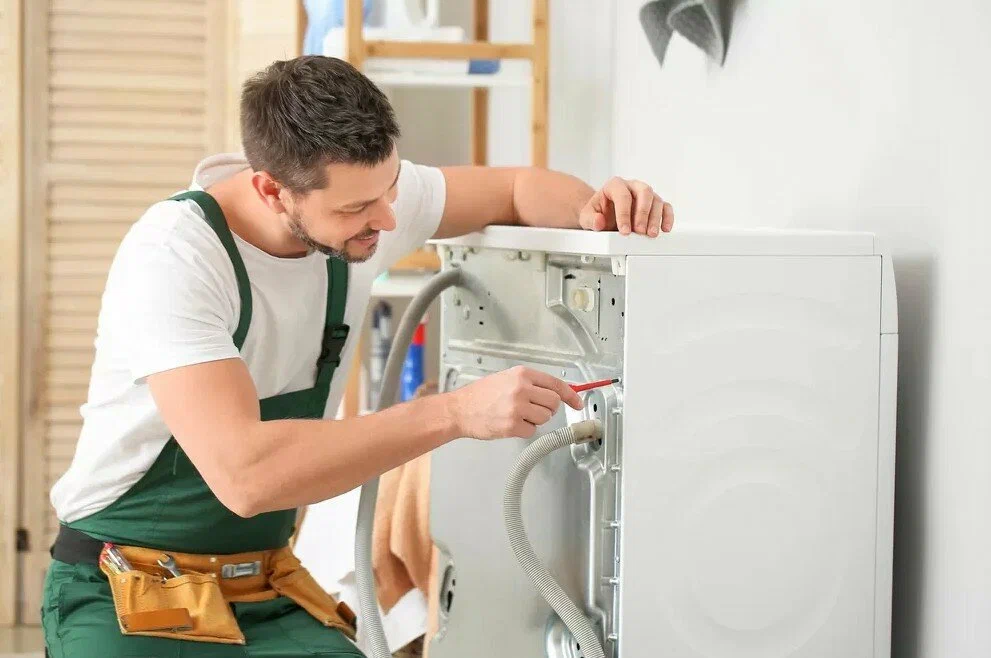
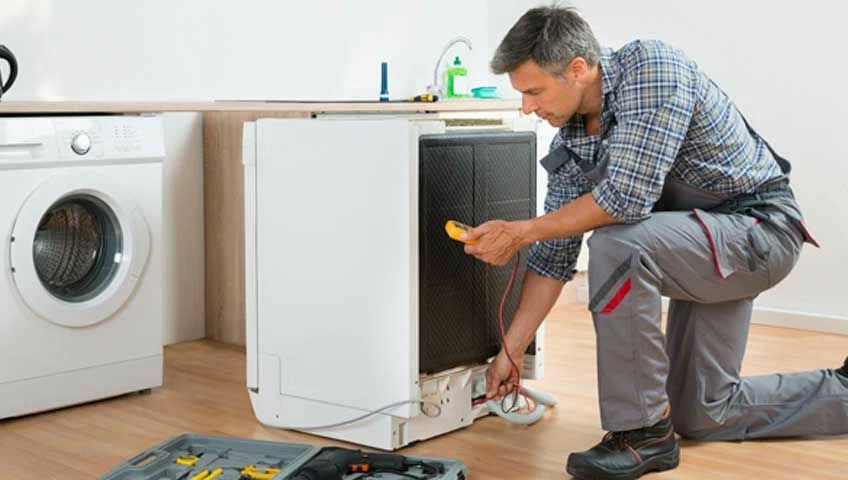
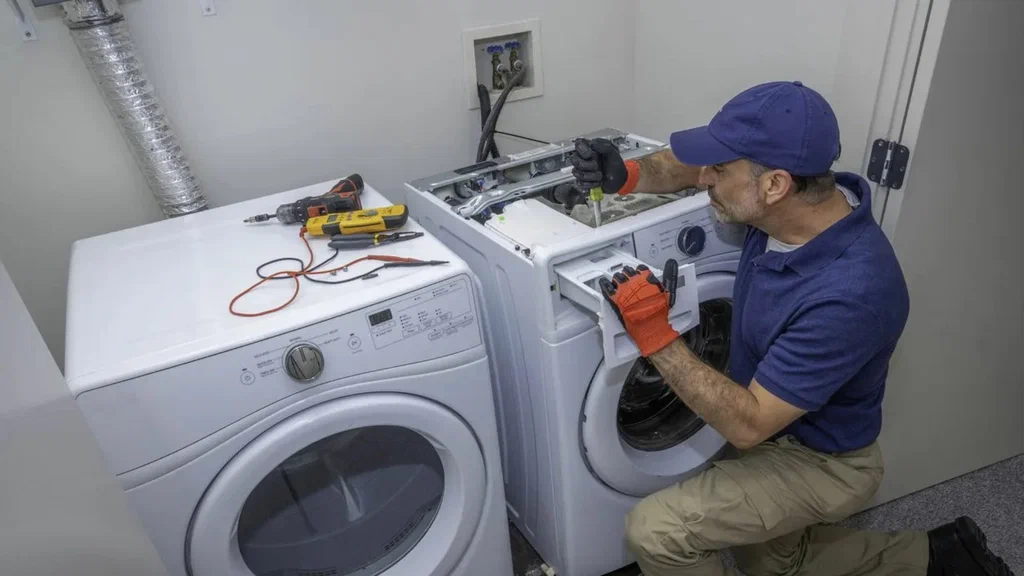
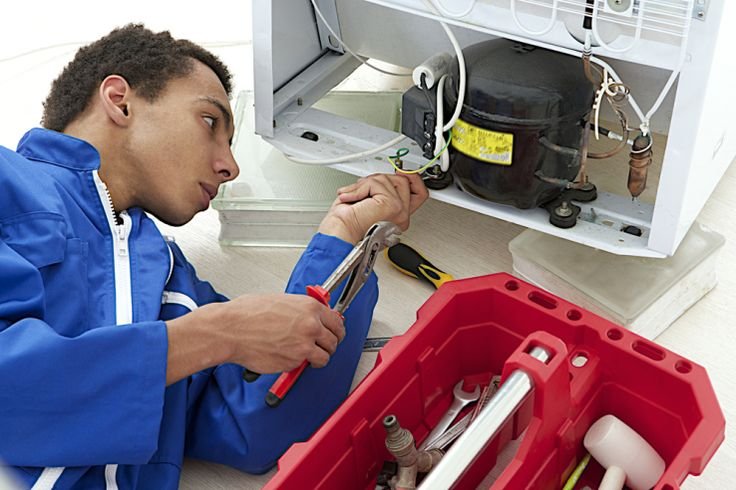
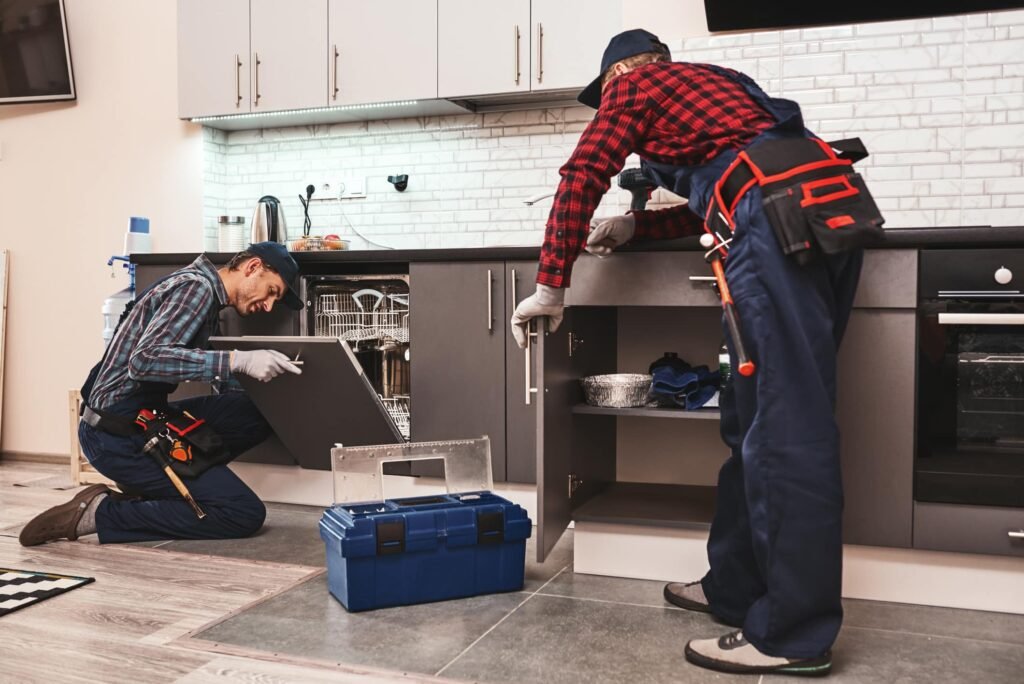
While clearing a drain clog or resetting a breaker is perfectly safe for a homeowner, DIY troubleshooting has its structural limits. Working on gas lines, high-voltage electrical wiring, or sealed refrigeration units poses significant safety risks and can easily void your manufacturer warranty. If a repair requires opening up the main cabinet or handling delicate electronic control boards, it is time to call in certified technicians. Companies like RMJP Appliance Repair have the diagnostic tools and training to fix the problem correctly the first time.
Final Thoughts
Troubleshooting everyday device issues doesn’t require a background in engineering—it just requires a systematic approach. By checking the power supply, reading digital error codes, and keeping pathways clean, you can resolve many minor issues on your own. When the fix is beyond your comfort level, remember that professional help is just a phone call away, ensuring your home stays safe, functional, and efficient.