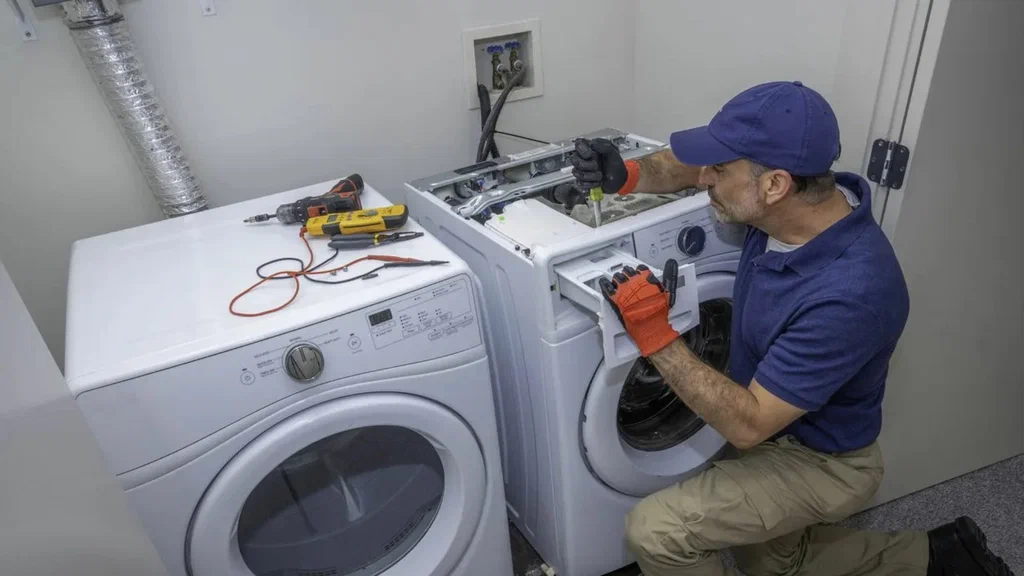
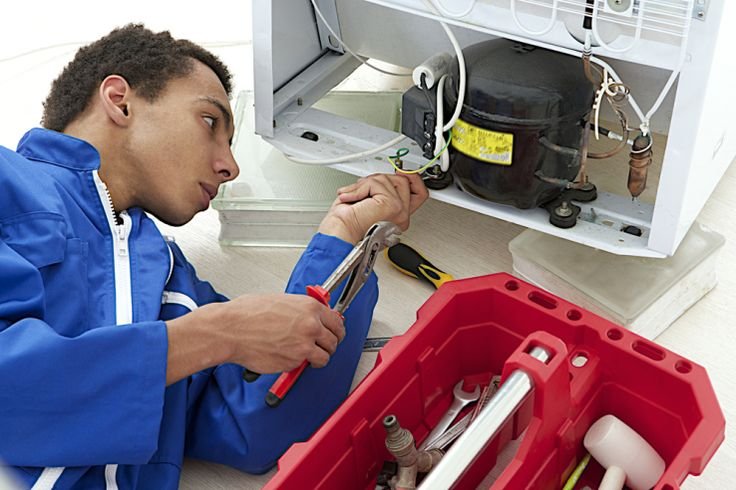
Household systems rarely quit without dropping a few hints first. Long before a major machine shuts down completely, it will usually send out subtle signals that something is wrong deep inside its mechanical or electrical components. Recognizing these red flags early can mean the difference between a simple, inexpensive tweak and a total system replacement. For coastal homeowners experiencing these early symptoms, booking expert Appliance Repair Services in Satellite Beach, FL, is the smartest way to diagnose the problem before a minor glitch turns into a catastrophic breakdown. Paying attention to how your machinery behaves daily is your best defense against unexpected household chaos.
Unusual and Loud Noises
One of the most obvious indicators that a system is struggling is a change in its acoustic footprint. Every machine has a familiar operational hum, but entirely new sounds mean internal parts are wearing down.
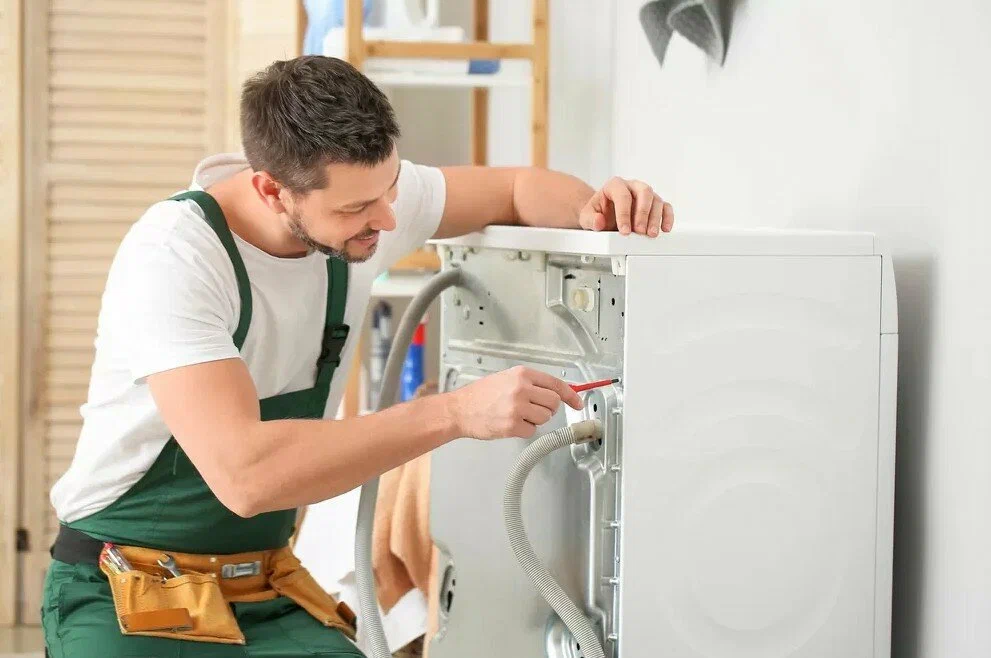
- Squeaking and Thumping: A loud thumping or metal-on-metal scraping sound coming from a laundry unit typically points to worn-out drum bearings, a frayed drive belt, or damaged support rollers. Ignoring these sounds can eventually cause the drum to drop entirely, destroying the machine’s housing.
- Buzzing and Clicking: If your refrigerator or freezer emits a loud clicking sound every few minutes, it is often a sign that the compressor is overheating or the start relay is failing. Catching this early can preserve your food preservation systems before they warm up and ruin your groceries.
Inconsistent Temperatures and Performance Drops
When a device takes twice as long to do its job, or fails to reach its designated setting, the internal heating or cooling elements are likely on their last legs.
- Ovens and Stoves: If your baked goods are suddenly burning on the bottom but remaining raw on top, a single bake or broil element has likely burnt out. Similarly, a failing temperature sensor will misread internal heat levels, causing erratic cooking cycles.
- Dryers: A dryer that requires two or three cycles to dry a single load of laundry is screaming for attention. While this can sometimes be caused by lint buildup, it can also indicate a weak thermal fuse or a failing heating coil that is struggling to maintain adequate laundry room efficiency.
Strange Odors and Burning Smells
A healthy household appliance should never produce a strong scent. If you notice a pungent or sharp odor during a normal cycle, you should turn off the unit immediately at the breaker panel.
- Electrical Burning: A sharp, metallic burning smell usually points to overheating wires, melted plastic connectors, or a short-circuiting electronic control board. Running a device in this condition is a serious electrical hazard.
- Musty and Sour Smells: Standing water inside a dishwasher or a washing machine creates a breeding ground for mold. If a deep cleaning doesn’t resolve the smell, the culprit is often a failing drain pump or a crushed exhaust line that is preventing proper wastewater removal.
Visual Hazards and Frequent Tripped Breakers
If your kitchen or laundry room fixtures are physically changing—such as showing scorch marks near the plug or leaking puddles onto the floor—the internal damage has already progressed significantly.
- Water Pooling: A slow drip from the bottom of a dishwasher or under a refrigerator might seem minor, but it can quietly rot your subflooring. Experts from RMJP Appliance Repair frequently note that internal pump seals can slowly degrade over time, leading to hidden structural damage.
- Electrical Overload: If turning on your microwave or dishwasher instantly trips your home’s circuit breaker, the appliance motor is likely drawing excessive current due to a severe mechanical restriction or an internal ground fault.
Smart Strategies and Preventative Actions
Catching these warning signs early is the absolute best way to protect your budget. Learning how to save money on household upkeep starts with listening to your machines and acting when they first start acting up. Cleaning filters monthly, avoiding overloading, and checking water supply hoses for cracks will keep small mechanical issues from ballooning into expensive emergency service calls.
When to Call in the Experts
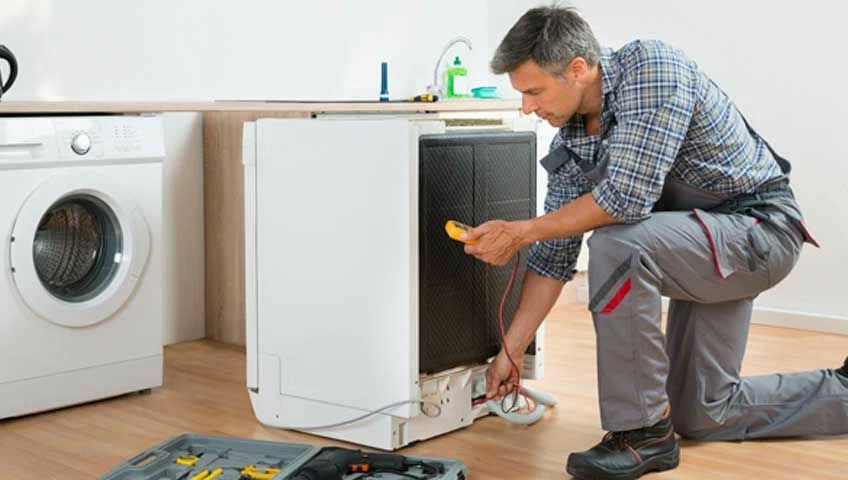
Some homeowners attempt to handle complex mechanical tear-downs themselves, but working with high-voltage wiring, gas lines, or refrigerant loops requires specialized training. A certified team like RMJP Appliance Repair has the advanced diagnostic tools to locate the exact root cause of a problem within minutes. Getting a professional assessment ensures that you don’t waste money throwing random parts at a machine that might actually need a precise factory calibration.
Conclusion
Your household devices are major investments that keep your life comfortable and organized. By staying alert to unusual sounds, slow performance, strange smells, and minor leaks, you can address mechanical wear before it leaves you stranded. What You Should Know is that proactive care always beats reactive scrambling. The moment your routine is threatened by an off-beat vibration or an error code, reaching out for professional Appliance Repair Services in Satellite Beach, FL, will keep your home running safely and efficiently for years to come.