What to Check After Installing a New Home Appliance
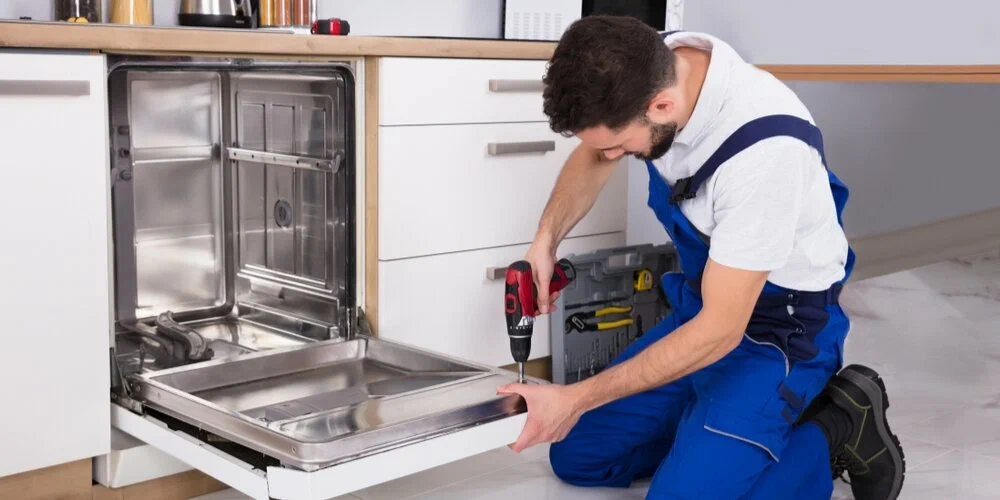
Setting up a new household machine is a major improvement for your living space, but the job is not completely finished the moment the unit is placed in its spot. Even with brand-new equipment, thorough post-installation checks are essential to ensure everything runs safely, efficiently, and quietly. Verifying electrical connections, water lines, gas fittings, and ventilation systems prevents hidden leaks, power issues, or early mechanical wear. Securing certified Appliance Installation in Palm Bay, FL guarantees that your initial hookups meet strict local building codes. Taking a few extra minutes to inspect your new equipment right after setup gives you total confidence in your home’s safety and operational performance.
Inspect Water Lines and Check for Hidden Leaks
For water-dependent machinery like dishwashers, clothes washers, and refrigerators equipped with ice makers, water leaks are the most critical issue to catch early. A minor drip behind a machine can quietly rot floorboards and cause extensive subfloor damage before it becomes visible.
- Check Supply Hose Connections: Examine the hot and cold water inlet valves. Ensure couplings are tight, dry, and show no signs of moisture or slow seepage.
- Inspect Drain Hose Routing: Verify that dishwasher and washing machine drain lines are elevated properly with a high loop or air gap to prevent contaminated wastewater from siphoning backward.
- Run a Test Cycle: Start a short test wash or fill cycle and watch all exposed fittings, valves, and floor areas under the unit using a flashlight to confirm there are no active leaks under line pressure.
Verify Electrical Connections and Circuit Safety
Modern household machinery relies on delicate digital control boards that require stable, properly grounded power sources to operate without glitching.
- Check Outlet Compatibility: Ensure 240V heavy-duty machines (like electric ranges or clothes dryers) are connected securely to dedicated high-voltage outlets using correct 3-Prong or 4-Prong cords.
- Test Circuit Stability: Turn on the unit and observe your main breaker panel. If the machine trips circuit breakers or causes kitchen lights to flicker, the electrical circuit may be overloaded or improperly wired.
- Inspect Grounding: Confirm that the power cord is fully inserted into a grounded wall receptacle without the use of temporary extension cords or ungrounded adapters.
Confirm Gas Line Integrity and Ventilation
Gas-fueled cooktops, ranges, and clothes dryers require extra scrutiny due to the severe safety risks associated with fuel leaks and toxic exhaust buildup.
- Perform Bubble Leak Tests: Apply a soapy water solution or use an electronic gas detector on all flexible gas line fittings to verify there are zero gas bubbles or fuel odors present.
- Check Exhaust Ventilation: For gas dryers, inspect the rigid metal exhaust ducting leading to the exterior wall vent. Ensure air flows freely outside without kinks or crushed ductwork that could trap lint or carbon monoxide.
- Verify Burner Ignition: Turn on stove burners or oven heating cycles to confirm smooth, blue-flame combustion without excessive clicking or delayed ignition.
Upgrade Your Home Appliances with Confidence
Taking the time to replace aging machinery with modern models improves energy efficiency and brings convenient technology into your daily routine. However, to truly Upgrade Your Home Appliances without future headaches, post-setup verification is essential. Catching minor installation oversights—such as loose water clamps, unlevel leveling feet, or pinched exhaust ducts—on day one ensures your fresh investment operates at peak performance. Proper post-installation checks protect your property, maintain complete manufacturer warranty coverage, and prevent costly emergency service calls down the road.
Test Internal Features and Heating Cycles
Before loading your new equipment with groceries or laundry, run basic functional tests to confirm all primary systems work as advertised.
- Refrigerators and Freezers: Allow the unit to run for 12 to 24 hours to reach proper cooling temperatures before filling it with perishable food. Check that the internal fans kick on and the ice maker begins cycling.
- Ranges and Ovens: Heat electric or gas ovens to 350°F (175°C) for 20 minutes to burn off manufacturing oils and confirm that heating elements maintain steady temperatures.
- Dishwashers and Washers: Verify that water fills quickly, spray arms spin freely without hitting interior racks, and the drain pump clears the basin completely during the final drain cycle.
Verify Floor Leveling and Structural Stability
Heavy machinery that is not perfectly level will vibrate aggressively during operation, causing loud noises, uneven wear on internal bearings, and potential subfloor damage.
- Use a Spirit Level: Place a carpenter’s level across the top and sides of the unit, adjusting the threaded leveling feet underneath until the machine is completely level front-to-back and side-to-side.
- Test for Rocking: Gently push against opposite top corners of washing machines, dryers, or refrigerators. If the unit wobbles or rocks, adjust the lower legs until all four feet rest firmly on the floor.
- Check Anti-Tip Brackets: For freestanding ranges, verify that the rear anti-tip bracket is securely engaged with the back leveling leg to prevent dangerous forward tipping.
Trust Certified Specialists for Post-Setup Peace of Mind
Managing complex water supply lines, high-voltage electrical cords, and gas fuel connections can be challenging for any homeowner. A single loose clamp or misaligned fitting can cause thousands of dollars in water or fire damage.
Partnering with an experienced service team like RMJP Appliance Repair INC guarantees that every item on your post-setup checklist is completed with professional diagnostic tools. Certified specialists perform thorough leak checks, gas pressure verifications, and operational tests to ensure your new machinery is entirely safe for daily household use.
Conclusion
Conducting a comprehensive check right after installing new home machinery is the final step in securing a safe, functional, and energy-efficient living space. Verifying plumbing tightness, electrical grounding, gas seals, and unit levelness eliminates early operational risks and protects your home.
When you invest in new equipment, trusting experienced technicians from RMJP Appliance Repair INC gives you total confidence that every connection meets strict safety standards. Taking time to verify your setup on day one guarantees quiet, reliable, and hassle-free performance for years to come.