What to Know Before Installing New Kitchen Appliances
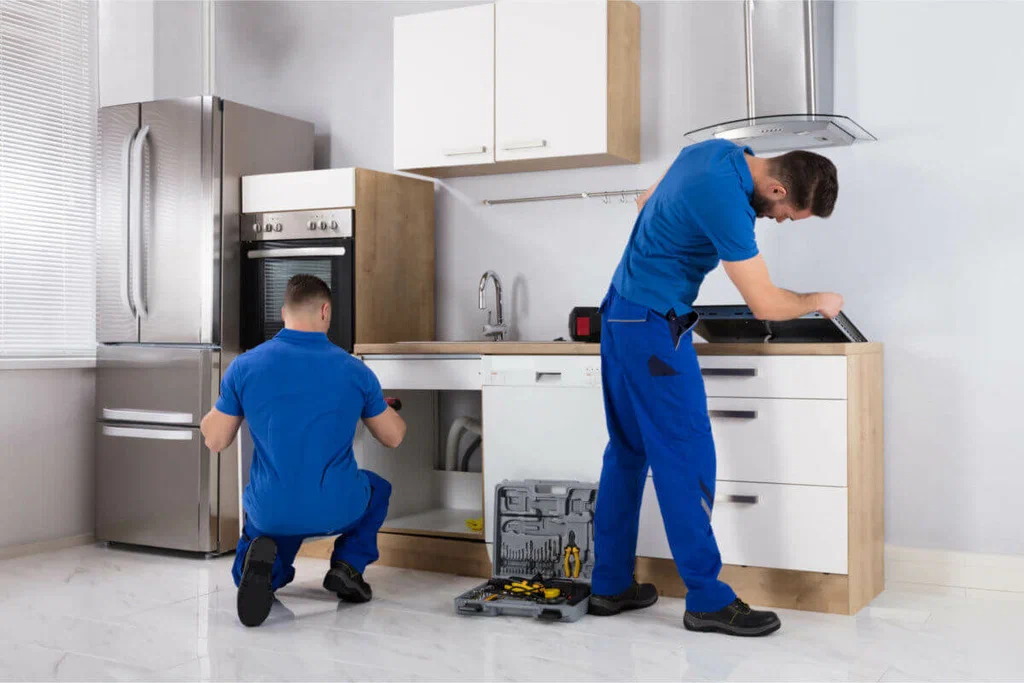
Upgrading your kitchen equipment is a rewarding home project that brings modern style and better performance to your cooking space. However, successful setup requires more than simply choosing new models and scheduling delivery. Understanding utility requirements, spatial clearances, and electrical safety ensures your investment operates smoothly without unexpected setup delays. If you want a seamless transition, securing certified Appliance Installation in Palm Bay, FL guarantees that every gas, electric, and water line is connected safely. Knowing what to review ahead of time makes installation day completely stress-free.
Precise Measurement of Cabinets and Entryways
One of the most frequent setup challenges is discovering that a new unit does not fit into its cabinet opening or through home doorways. Taking exact measurements before ordering equipment eliminates costly returns and spatial headaches.
- Measure Counter Cutouts: Record the width, depth, and height of your cabinet spaces. Leave extra clearance for appliance doors, handles, and adjacent drawer openings.
- Map Delivery Pathways: Measure every doorway, hallway, and entryway from the front door to the kitchen. Clear away furniture, wall art, and area rugs to provide a safe, wide path for delivery dollies.
Verifying Electrical Power and Voltage Specifications
Modern kitchen machines feature delicate digital control panels and high-output heating elements that demand specific electrical setups. Plugging a new machine into an inadequate circuit can trip breakers or damage internal components.
Standard refrigerators and dishwashers usually plug into standard 120V outlets. However, high-efficiency electric cooktops and wall ovens require dedicated 240V heavy-duty wiring. Check your home circuit breaker panel to ensure your power system can support your new equipment. If an outlet needs relocation or dedicated line installation, relying on experienced technicians like RMJP Appliance Repair INC ensures your kitchen wiring complies with local electrical codes.
Inspecting Water Supply Lines and Shut-Off Valves
Plumbing-dependent kitchen units—such as dishwashers, ice makers, and refrigerators with water dispensers—require sturdy water supply connections to prevent catastrophic household leaks.
Before installation day, locate the shut-off valves beneath your sink or behind existing machines. Test these valves to confirm they turn easily and shut off water completely. If old brass valves show signs of green corrosion or rust, replace them early. Always replace old rubber supply lines with durable, burst-resistant braided stainless steel water hoses to protect your kitchen flooring from water damage.
Prepare Your Kitchen for New Appliance Delivery Day
Proper site preparation guarantees that technicians can complete the setup quickly without structural or utility roadblocks. As you Prepare Your Kitchen for New Appliance arrivals, ensure the floor area is level, utility shut-off valves are easily accessible, and existing units are completely unhooked and emptied. Clearing a wide workspace around the installation spot allows technicians to position, level, and secure your new machines safely.
Proper Ventilation and Spatial Clearances
Adequate airflow is vital for long-term reliability and energy efficiency. Machines that cannot shed heat effectively will work harder, leading to premature motor failures and higher utility bills.
Refrigerators need at least one inch of breathing room around the back, top, and sides so air can circulate freely over the condenser coils. Over-the-range microwaves and exhaust hoods must maintain manufacturer-recommended safety distances from cooktop surfaces to handle heat, steam, and grease safely. Ensuring proper ventilation protects your machinery and preserves your manufacturer warranty coverage.
Safe Handling and Unhooking of Old Units
Removing old equipment requires careful attention to safety, especially when dealing with gas connections or hardwired electrical circuits:
- Gas Lines: Gas ranges must be unhooked using specialized shut-off valves and leak-tested upon removal to prevent dangerous gas leaks.
- Hardwired Equipment: Built-in cooktops and wall ovens should always have their corresponding breakers turned off at the main electrical panel before disconnecting power wires.
- Water Lines: Disconnect water supply lines carefully into a bucket to catch remaining standing water before moving the machine across hardwood or tile floors.
For custom built-in setups or complex utility connections, partnering with RMJP Appliance Repair INC ensures that both old unit removal and new equipment hookup are handled smoothly and safely.
Conclusion
Taking time to assess measurements, check power outlets, and inspect plumbing lines guarantees a fast, problem-free upgrade experience. Proper planning protects your kitchen surfaces from accidental damage and ensures your new equipment runs efficiently from day one.
When you are ready to complete your kitchen transformation, booking professional Appliance Installation in Palm Bay, FL provides complete peace of mind that every connection meets strict safety standards.