
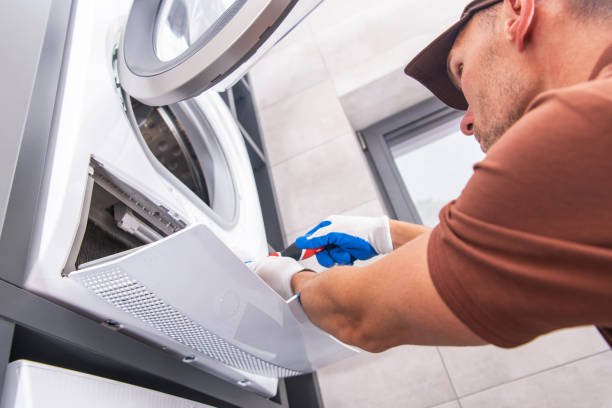
The kitchen is undeniably the busiest room in any modern home, serving as the central hub for daily meal preparation, cleanup, and food storage. Because these devices handle constant, heavy use throughout the day, they naturally experience much higher operational stress than systems located in other parts of the house. When a critical unit suddenly fails under the pressure of daily routines, finding reliable Appliance Repair Services in Satellite Beach, FL, becomes an immediate priority for local homeowners looking to restore order to their busy schedules. Understanding the specific factors that make culinary gear uniquely vulnerable to failure can help you protect your investment and keep your household running smoothly.
Constant Exposure to Moisture and High Humidity
Kitchen devices operate in a high-moisture environment, which is a major catalyst for mechanical and electrical breakdown. Steam from cooking, boiling water, and regular cleaning creates a humid atmosphere that can slowly degrade delicate internal components over time.
- The Impact on Circuitry: Modern cooking and cleaning devices rely on complex electronic control boards to regulate temperatures and cycles. When moisture or airborne grease manages to seep behind control panels, it can cause short circuits, unresponsive buttons, or total system failure.
- Rust and Corrosion: Internal metal parts, door hinges, and electrical contacts are constantly at risk of rusting when exposed to steam. For those living in coastal areas, salt air combined with kitchen humidity accelerates this wear, making a professional refrigerator diagnostic or electrical inspection necessary when cooling performance drops without warning.
Severe Temperature Fluctuations
Unlike laundry gear, which generally handles steady water temperatures, kitchen hardware must endure extreme thermal stress. Devices like ovens, ranges, and microwaves are designed to reach hundreds of degrees in minutes, while refrigerators and freezers must maintain freezing temperatures right next to them.
- Thermal Expansion and Contraction: The constant cycle of heating up and cooling down causes wires, heating elements, and seals to expand and contract repeatedly. Over time, this physical stress can cause oven igniters to crack, heating coils to blister, or door gaskets to warp.
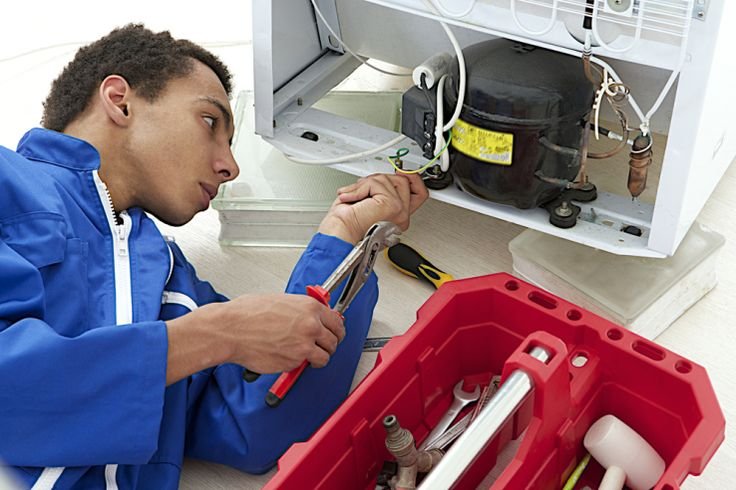
- Compressor Strain: When ambient kitchen temperatures rise during summer cooking sessions, your refrigerator’s compressor has to work twice as hard to keep food safe, leading to premature motor burnout if the unit isn’t properly ventilated.
Accumulation of Food Debris and Grease Build-Up
The very nature of food preparation introduces foreign materials into mechanical systems. Organic waste, grease, and food particles are the number one enemies of moving appliance parts.
- Clogged Drainage Systems: Dishwashers and garbage disposals frequently choke on hard food particles, bone fragments, and thick grease. When these substances accumulate in the drain pump or spray arms, they restrict water flow, leading to stagnant pools of water or motor seizure.
- Burner and Fan Obstructions: Spills on gas stovetops can quickly clog burner ports, leading to uneven heating or ignition failures. In range hoods, heavy grease accumulation smothers the exhaust fan motor, creating a serious fire hazard and reducing air filtration efficiency. Seeking timely kitchen appliance maintenance can clear these blockages before they permanently damage your hardware.
Daily Heavy Usage and Physical Abuse
The frequency with which we interact with kitchen gear contributes significantly to its wear and tear. Refrigerators are opened dozens of times a day, dishwashers are loaded heavily, and microwave doors are constantly slammed shut.
- Component Fatigue: Door switches, safety latches, and handle mechanisms are subjected to repetitive physical impact. If a dishwasher door latch fails or a microwave switch misaligns, the entire unit will refuse to operate as a built-in safety precaution.
- Preventative Care: Simple habits, such as avoiding overloading dishwasher racks and cleaning seals regularly, can drastically extend the life of home equipment by reducing unnecessary physical strain on the structural frames.
How to Handle Sudden Culinary Equipment Failures
When a core device quits on you mid-meal, taking swift action can save you from a costly replacement bill.
- Cut the Power and Water: If a unit is leaking or making loud grinding noises, turn off its dedicated circuit breaker or water supply valve immediately.
- Check for Simple Obstructions: Inspect filters and spray arms for visible food blocks before assuming a major component is broken.
- Consult Local Specialists: For complex electronic or sealed system repairs, trying a DIY fix can void warranties or cause further damage. Trusted local experts like RMJP Appliance Repair can accurately diagnose hidden plumbing or electrical issues.
Final Thoughts
Because kitchen machinery works overtime to keep our homes functional, it requires a higher level of vigilance. Staying aware of how grease, heat, and moisture affect these devices allows you to catch minor issues before they become catastrophic failures. When professional intervention is required, partnering with a dependable team like RMJP Appliance Repair ensures your kitchen is back to full strength quickly, letting you get back to your normal routine without financial stress.