
A malfunctioning refrigerator is more than just a minor inconvenience; it is a race against time to save your groceries from spoiling. When your fridge suddenly stops maintaining its cool temperature, knowing how to diagnose the issue quickly can save you hundreds of dollars in wasted food and repair bills. For homeowners seeking professional assistance, finding reliable Appliance Repair Services in Satellite Beach, FL, is often the first step, but there are several troubleshooting measures you can take immediately to identify the root cause.
Whether you are dealing with a faulty thermostat, a dusty condenser coil, or a failing compressor, understanding the mechanics of your cooling system is essential. RMJP Appliance Repair recommends starting with the most accessible components before assuming the worst. In many cases, a refrigerator that stops cooling fast is suffering from a lack of airflow or a simple power disruption rather than a total mechanical breakdown.
Check the Power Supply and Thermostat Settings
Before tearing apart the back panel of your appliance, start with the basics. It sounds simple, but a bumped temperature dial or a tripped circuit breaker is a frequent culprit.
- Thermostat Calibration: Ensure the internal settings haven’t been accidentally turned up. The ideal temperature for a refrigerator is between 35°F and 38°F.
- Power Connection: Check if the interior light comes on when you open the door. If it doesn’t, the unit might not be receiving power. Reset the breaker or try a different outlet to rule out electrical issues.
- Door Seals: Inspect the rubber gaskets around the doors. If they are torn or brittle, cold air escapes, forcing the unit to work overtime until it eventually fails to keep up.
The Role of Condenser Coils in Cooling Efficiency
One of the most common reasons a refrigerator loses its cooling power is dirty condenser coils. These coils are responsible for dissipating heat as the refrigerant passes through them. If they are covered in dust, pet hair, or kitchen grease, the heat stays trapped, and the refrigerator’s internal temperature begins to rise rapidly.
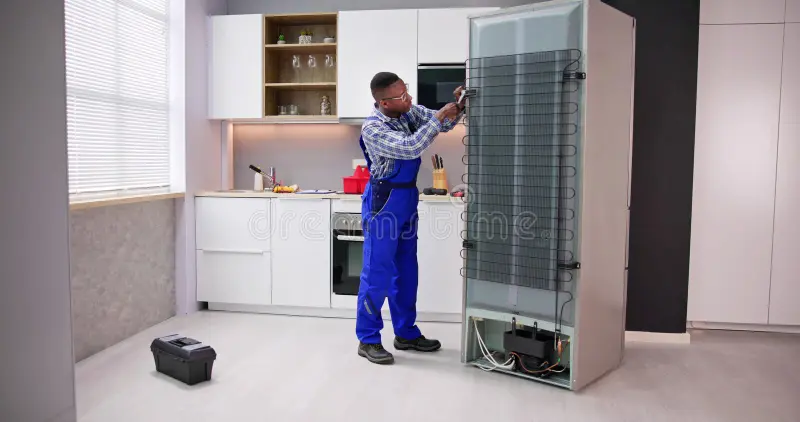
To fix this, pull the refrigerator away from the wall and locate the coils—usually at the bottom or the back of the unit. Use a vacuum with a brush attachment or a specialized coil brush to remove the debris. Keeping these coils clean is a vital part of refrigerator maintenance that can extend the life of your compressor significantly. If the coils are clean and the unit still isn’t cooling, it may be time to consult experts in Appliance Repair Services in Satellite Beach, FL, to check the refrigerant levels.
Inspecting the Evaporator Fan and Motor
If you can hear your refrigerator running but notice that the air inside isn’t cold, the evaporator fan might be the problem. This fan is located behind the freezer’s back panel and is responsible for pulling air over the evaporator coils and circulating it throughout the fridge and freezer compartments.
Signs of a faulty evaporator fan include:
- A loud chirping or squealing noise is coming from the freezer.
- The freezer remains cold, but the refrigerator section is warm.
- The fan blade is physically obstructed by ice buildup.
If you notice significant ice accumulation on the back panel, it points to a defrost system failure. This usually involves a faulty defrost heater, a blown thermal fuse, or a malfunctioning defrost timer. When these components fail, frost builds up until it blocks the airflow entirely.
Testing the Condenser Fan
While the evaporator fan moves air inside the unit, the condenser fan cools the compressor and the condenser coils. If this fan stops working, the compressor will overheat and shut down as a safety precaution. Locate the fan near the compressor at the bottom back of the unit. Ensure the fan blade spins freely and isn’t blocked by debris. If the motor is hot to the touch or makes a grinding noise, it likely needs a professional replacement from a service provider like RMJP Appliance Repair.
Understanding Compressor Issues
The compressor is the heart of your refrigerator’s cooling system. It is a pump that compresses the refrigerant and circulates it through the system. If you hear a clicking sound every few minutes, or if the fridge is silent and warm, the compressor or its start relay may have failed.
The start relay is a small device plugged into the side of the compressor. You can test it by unplugging the fridge, removing the relay, and shaking it. If it rattles, the internal parts are broken, and the relay needs to be replaced. If the relay is fine but the compressor still won’t start, this is a major repair that typically requires a certified technician to handle the specialized tools and refrigerants involved.
When to Call a Professional
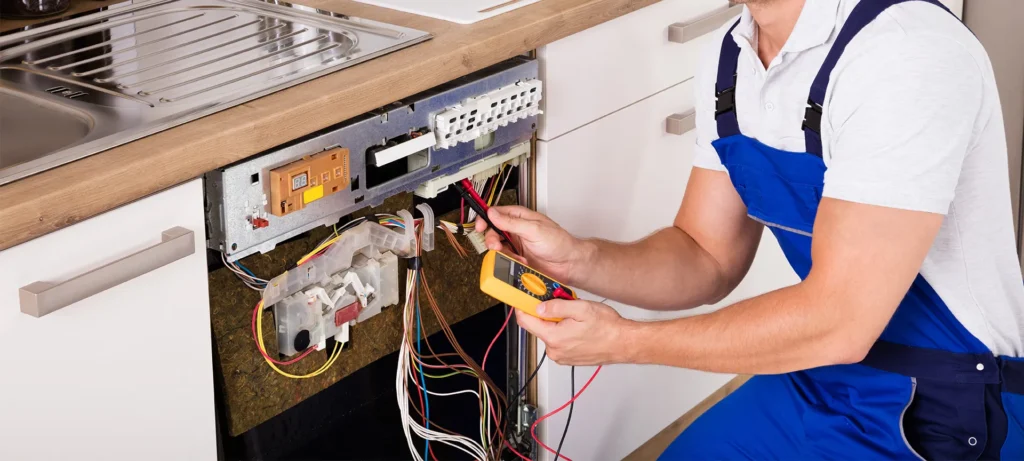
While DIY troubleshooting can solve many minor issues, some problems require technical expertise to ensure the safety and longevity of the appliance. Complex electrical diagnostics, refrigerant leaks, and control board replacements are best left to the experts.
If you have cleaned the coils, checked the fans, and verified the power, but the temperature continues to climb, don’t wait. Timely intervention can prevent a small part failure from turning into a total appliance replacement. For residents in the Space Coast area, reaching out to a local specialist for Satellite Beach fridge repair ensures that you get a technician who understands the local climate’s impact on appliance wear and tear.
Summary of Quick Fixes
- Clean the Coils: Do this every six months to maintain efficiency.
- Check Airflow: Don’t overstuff the fridge; ensure vents between the freezer and fridge are clear.
- Listen for Sounds: Note any clicking, buzzing, or silence, as these are clues for the technician.
- Verify Seals: A simple “dollar bill test” in the door seal can tell you if you’re losing cold air.
Maintaining your kitchen appliances shouldn’t be a source of stress. By staying proactive with these tips and knowing when to call in the pros at RMJP Appliance Repair, you can keep your kitchen running smoothly and your food fresh for years to come.