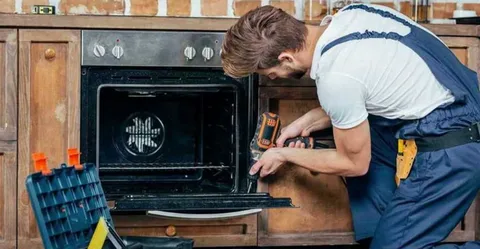
When your favorite recipes start coming out burnt on one side and raw on the other, your kitchen’s centerpiece is likely struggling with internal consistency. If you are experiencing these frustrations, seeking professional Appliance Repair Services in Satellite Beach, FL, is the most reliable way to restore your oven’s performance. However, understanding the underlying mechanics can help you determine whether you’re facing a simple maintenance task or a complex component failure.
An oven is a delicate balance of airflow, insulation, and regulated heat. When that balance shifts, the results are immediately visible in your baking. Over time, wear and tear on sensitive parts like the igniter, heating elements, or sensors can lead to significant temperature fluctuations.
Faulty Heating Elements
In electric ovens, the most common culprit for uneven heat is a failing bake or broil element. Most ovens use two elements: one at the bottom for baking and one at the top for broiling and browning.
- Visual Inspection: When the oven is on, the elements should glow a bright, uniform red. If you notice dark spots, blistering, or cracks on the coil, the element is failing.
- Partial Continuity: Sometimes an element doesn’t die completely; it simply stops heating at full capacity, creating “cold zones” within the oven cavity.
- Replacement: Replacing a heating element is a common oven repair task that can usually be performed quickly by a technician to bring your appliance back to factory standards.
The Role of the Temperature Sensor or Bulb
Modern ovens rely on a temperature sensor (a small thin tube usually located at the back) to communicate with the control board. In older models, this might be a capillary bulb. If this sensor is bumped during cleaning or begins to fail electronically, it will send incorrect data to the oven’s “brain.”
If the sensor is touching the oven wall, it will pick up the temperature of the metal rather than the air, causing the oven to shut off too early or stay on too long. Ensuring this sensor is properly calibrated is a vital part of kitchen appliance troubleshooting.
Igniter Issues in Gas Ovens
For those using gas ranges, the igniter is often the silent cause of uneven cooking. The igniter has two jobs: to open the gas valve and to light the burner. Over time, an igniter can weaken. It may still have enough strength to open the valve and light the flame, but it may take too long to do so, causing the oven temperature to drop significantly between cycles. This “lazy” igniter syndrome results in long preheating times and inconsistent internal temperatures.
Obstructions and Airflow Problems
Sometimes the oven isn’t broken; it’s just “suffocating.” Ovens require proper convection—the movement of hot air—to cook evenly.
- Improper Racking: Using oversized baking sheets that touch the walls of the oven can block the rise of heat from the bottom element.
- Foil Usage: Many homeowners line the bottom of their ovens with aluminum foil to catch spills. This is a major mistake as it reflects heat unevenly and can even melt onto the heating base.
- Convection Fan Failure: If you have a convection oven, the fan at the back is designed to circulate air. If this fan becomes clogged with grease or the motor slows down, the “hot spots” typical of standard ovens will return.
If you find that your kitchen routine is being disrupted by multiple failing units—perhaps your oven is baking unevenly and your dishwasher leaves dishes dirty after washing—it is often a sign of aging components throughout the kitchen. Addressing these issues simultaneously can save you time and ensure your home remains efficient.
Calibration and Control Board Errors
The electronic control board is the commander of your appliance. If the relays on the board that trigger the heating elements become sticky or burnt, the oven may provide inconsistent power. While you can often recalibrate an oven’s temperature yourself through the settings menu (usually by +/- 35°F), a flickering display or unresponsive buttons suggest a deeper electronic failure. RMJP Appliance Repair specialists often recommend a professional diagnostic in these cases, as control boards are sensitive and expensive parts to mishandle.
Maintenance Tips to Prevent Uneven Heating
To keep your oven in top shape, consider these preventative measures:
- Regular Cleaning: Avoid the “Self-Clean” cycle if your oven is very old, as the extreme heat can sometimes blow thermal fuses or damage control boards. Manual cleaning is safer for the electronics.
- Check the Gasket: A worn-out door seal allows heat to leak out of the front, making the back of the oven much hotter than the front.
- Calibrate Yearly: Use a stand-alone oven thermometer to check if your oven’s actual temperature matches the digital display.
By identifying these issues early, you can avoid the cost of a full replacement. Whether it’s a simple sensor adjustment or a complex igniter replacement, staying informed helps you communicate better with your repair technician. For those in need of expert help, RMJP Appliance Repair provides the technical skill necessary to get your kitchen back to peak performance, ensuring every meal is cooked to perfection.