
Dealing with a dryer that requires two or three cycles to dry a single load of laundry is one of the most frustrating household hurdles. Not only does it waste your evening, but it also sends your utility bills skyrocketing. If you are currently struggling with damp clothes after an hour of tumbling, seeking professional Appliance Repair Services in Satellite Beach, FL, can provide a swift resolution. However, before you pick up the phone, understanding the common culprits behind poor drying performance can help you decide if the fix is a simple DIY task or a job for a specialist.
The Number One Culprit: Airflow Restrictions
In the vast majority of cases, a dryer that takes too long is suffering from a “breathing” problem. Dryers work by circulating hot air through the drum and venting the moisture-laden air outside. If that air cannot escape, the moisture stays trapped with your clothes.
- The Lint Screen: This should be cleaned after every single load. Even a thin layer of lint can reduce efficiency by 20%.
- The Exhaust Vent: Over time, lint bypasses the filter and settles in the dryer duct. This is a significant fire hazard and the primary reason for slow drying times. Check the vent hood on the outside of your house while the dryer is running; if you don’t feel a strong, warm breeze, your duct is likely clogged.
- Crushed Venting: If your dryer is pushed too close to the wall, the flexible foil or plastic duct can kink, pinching off the airflow like a garden hose.
Overloading and Sorting Issues
It is tempting to throw a massive pile of wet towels and heavy jeans into the drum to save time. Ironically, this has the opposite effect. For a dryer to function, there must be enough space for the hot air to circulate between the garments.
When the drum is overstuffed, the clothes simply clump together and rotate as a single heavy mass. The outer layers might feel dry, but the core remains soaking wet. Furthermore, mixing heavy fabrics with lightweight synthetics leads to uneven results. For the best performance, try to match fabric weights and leave the drum at least one-third empty.
Moisture Sensor Malfunctions
Modern high-efficiency dryers use moisture sensors—usually two small metal bars located near the lint filter housing—to detect when clothes are dry. If these sensors are coated in a thin film from dryer sheets or fabric softener, they “lose their touch.”
The sensor might incorrectly tell the control board that the clothes are dry, ending the cycle prematurely. Alternatively, a layer of wax buildup can cause the dryer to run indefinitely without actually hitting the right temperature. You can usually fix this by gently wiping the sensor bars with a cotton swab and a bit of rubbing alcohol. If the problem persists, RMJP Appliance Repair can help calibrate or replace the sensors to restore your unit’s intelligence.
Heating Element and Component Wear
If the dryer is tumbling and the airflow is clear, but the air inside stays cold, you are likely looking at a mechanical failure. In electric dryers, the heating element can burn out, similar to a lightbulb filament. In gas dryers, the gas valve solenoids may fail, preventing the burner from igniting.
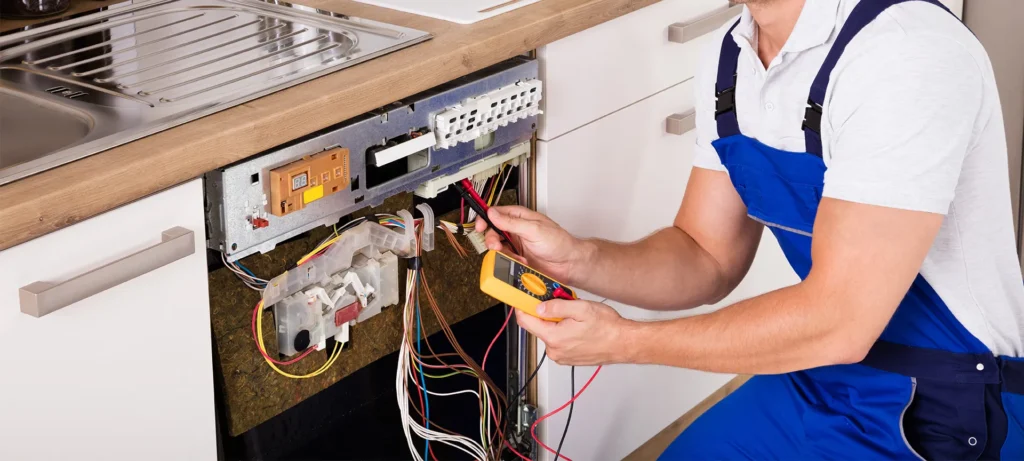
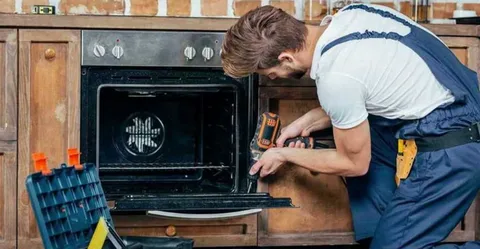
While a dryer might still “run” with a partially grounded heating element, it won’t reach the temperatures necessary to evaporate water quickly. This type of laundry appliance troubleshooting involves using a multimeter to check for continuity. If you aren’t comfortable working with high-voltage electricity or gas lines, it is much safer to contact a local technician. Similar to how worn-out heating coils can cause ovens to heat unevenly over time, a degraded dryer element will fail to provide the consistent thermal energy required for a fast cycle.
Drum Seal and Belt Issues
If you notice that the laundry room is becoming exceptionally humid or hot while the dryer is running, the drum seals might be worn out. These felt seals keep the hot air inside the drum. If they perish, the heat escapes into the cabinet of the machine instead of passing through the clothes. You might also hear a thumping or scraping sound, which suggests the drum is no longer spinning at the correct RPM, often due to a stretched drive belt or worn rollers.
Preventative Maintenance Tips
To avoid the headache of a slow dryer and the need for frequent home appliance servicing, follow these simple steps:
- Wash the Lint Filter: Once a month, scrub the lint screen with a brush and soapy water to remove invisible film from dryer sheets.
- Annual Duct Cleaning: Have your dryer vents professionally cleaned once a year to prevent lint buildup deep in the walls.
- Check the Outside Flapper: Ensure the exterior vent door isn’t stuck closed by bird nests or debris.
Professional Support for Your Home
While many airflow issues can be handled by the homeowner, internal mechanical failures require a steady hand and the right parts. RMJP Appliance Repair specializes in diagnosing these complex issues, ensuring your machine doesn’t just run, but runs efficiently.
If your dryer has become a source of frustration rather than a convenience, a quick inspection by a professional can identify if you need a simple thermal fuse replacement or a more involved motor repair. Taking care of your dryer today prevents expensive energy bills and protects your home from the very real risk of dryer-related fires. Don’t let a slow cycle ruin your productivity; address the heat and airflow issues today to get your laundry routine back on track.