
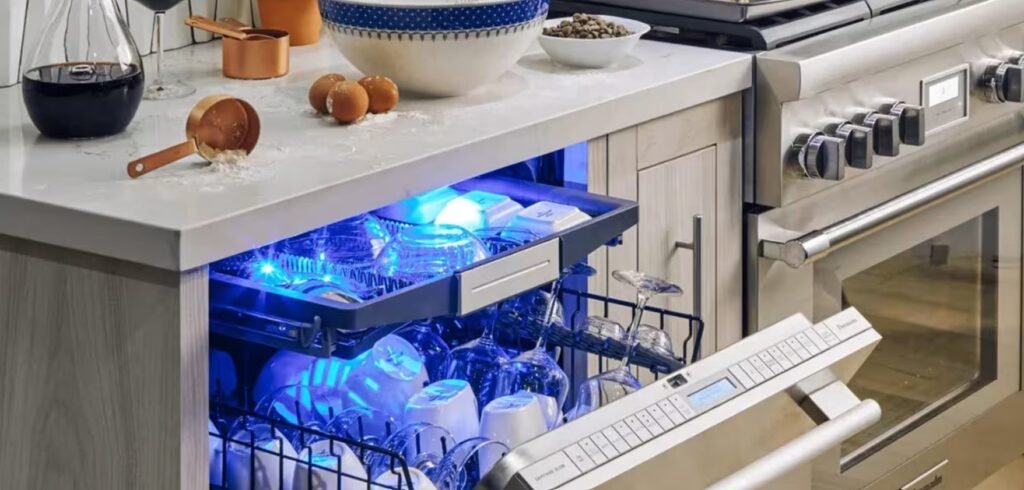
Opening your dishwasher only to find cloudy glasses, stuck-on food, or a greasy film on your plates is incredibly frustrating. Most people assume the machine is broken, but often, the culprit is a lack of maintenance or a simple part failure. If you are struggling with a unit that just won’t clean, seeking professional Appliance Repair Services in Satellite Beach, FL, is the fastest way to get your kitchen back in order. However, understanding why your dishwasher is underperforming can help you fix minor issues yourself.
Obstructed Spray Arms and Water Flow
The spray arms are responsible for distributing pressurized water throughout the tub. If the tiny holes in these arms become clogged with hard water deposits, toothpick fragments, or food debris, the water pressure drops significantly.
- Manual Inspection: Remove the spray arms and use a small wire or a toothpick to clear the nozzles.
- Check for Obstructions: Ensure that tall pans or dangling utensils aren’t physically blocking the arms from spinning during the cycle. If the arm can’t rotate, large sections of your dish load will remain untouched by water.
A Clogged Filtration System
Modern dishwashers are designed with high-efficiency filters to catch food particles, preventing them from redepositing onto clean dishes. If you haven’t cleaned your filter in a few months, it is likely saturated with “gunk.”
A dirty filter restricts water flow and can cause a foul odor. Locate the cylindrical filter at the bottom of the tub, twist it out, and rinse it under hot water with a soft brush. Consistent dishwasher maintenance is the most effective way to ensure spotless cycles and prevent long-term damage to the pump.
Issues with the Water Inlet Valve
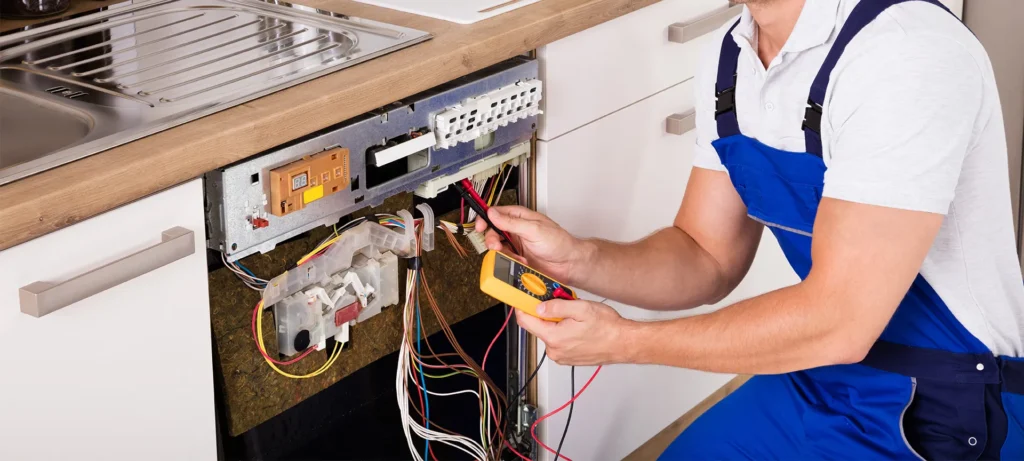
The water inlet valve manages the amount of water that enters the machine. If this valve is restricted by sediment or is failing electrically, the dishwasher won’t fill with enough water to clean effectively. You might notice a humming sound followed by a very low water level in the base of the unit. For a precise diagnosis and kitchen appliance troubleshooting, it is often best to have a technician test the valve’s solenoid to ensure it’s opening fully.
The Importance of Water Temperature
For the detergent to activate and the grease to dissolve, the water inside your dishwasher needs to reach at least 120°F. If your water heater is set too low, or if the dishwasher’s internal heating element is burnt out, you will consistently find dirty dishes.
RMJP Appliance Repair suggests running the kitchen sink faucet for a minute before starting the dishwasher. This ensures the machine pulls in hot water from the very start of the cycle rather than starting with the cold water sitting in the pipes. If the dishes are still coming out cold and wet at the end of a cycle, your heating element or thermostat likely needs a professional replacement.
Using the Right Detergent and Rinse Aid
In areas with hard water, minerals can bond with soap to create a cloudy film. Using a high-quality rinse aid is not just an “extra”—it is essential for breaking the surface tension of the water, allowing it to sheet off the dishes rather than forming spots. Additionally, using too much detergent can actually leave a soapy residue, while using too little won’t break down proteins and fats.
Investing in high-efficiency pods and keeping your rinse aid reservoir full can lead to lower energy bills with smarter appliance habits, as you won’t have to run the same load twice or hand-wash items after the cycle finishes. Efficient cycles use less water and electricity, saving you money over time.
Faulty Soap Dispenser Door
Sometimes the fix is as simple as a mechanical check. If the detergent dispenser door is blocked by a large plate in the lower rack, it won’t open at the right time. Alternatively, the spring or catch on the door might be broken. If the detergent pod is sitting at the bottom of the tub partially dissolved at the end of the wash, the door is likely the issue.
When to Seek Expert Help
If you have cleaned the filters, cleared the spray arms, and checked your water temperature, but the results are still poor, the problem might be a failing circulation pump or a control board error. Specialized dishwasher repair in Brevard County can identify these deeper mechanical issues before they lead to a complete breakdown.
Choosing a reputable name like RMJP Appliance Repair ensures that your diagnosis is accurate and that high-quality replacement parts are used. A professional can also check for hidden leaks or drainage issues that might be contributing to the poor cleaning performance.
Quick Checklist for Spotless Dishes
- Scrape, Don’t Rinse: Modern detergents need a little bit of food protein to cling to; don’t pre-rinse your dishes to the point of being clean.
- Check the Pump Impeller: Ensure no broken glass is stuck in the drain pump.
- Load Properly: Angle bowls downward so water can drain out of them.
- Softener Salt: If you have extremely hard water, check if your model has a built-in water softener that needs salt.
By following these steps, you can transition from “dirty dishes” to “dazzling results” without the need for an expensive replacement. Keeping your dishwasher in peak condition ensures your kitchen remains hygienic and your daily chores stay manageable.