Introduction
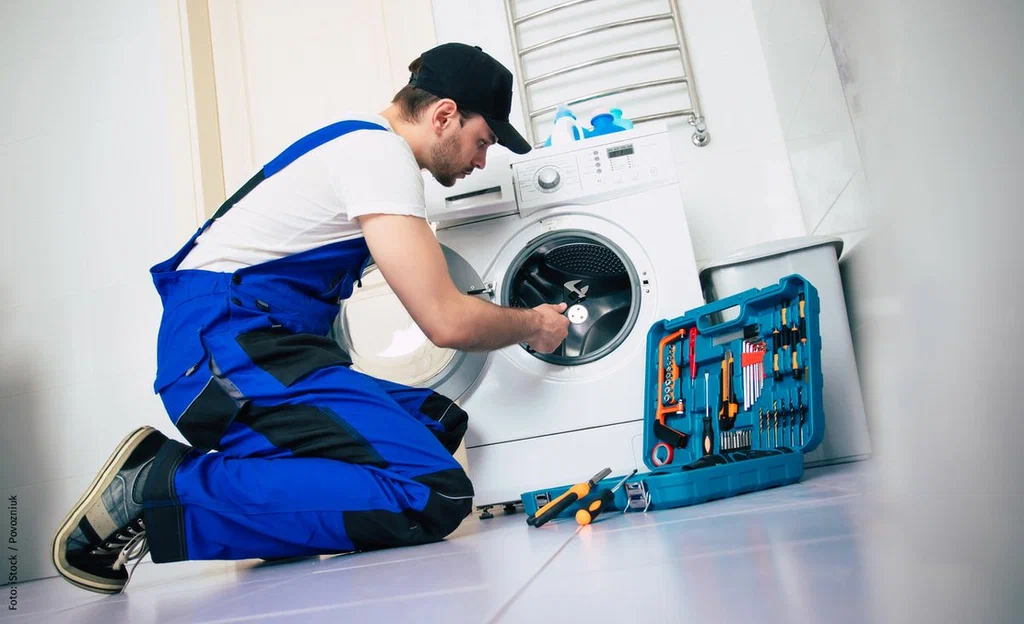
A washing machine is one of the most hardworking units in any modern home, keeping your clothes fresh and clean week after week. However, because it constantly deals with heavy spinning drums, high-speed motors, and rushing water, it is highly susceptible to wear and tear over time. When your washer suddenly breaks down or leaves your clothes soaking wet, it completely disrupts your daily schedule. For homeowners dealing with a sudden laundry crisis, relying on professional Appliance Repair Services in Satellite Beach, FL ensures that your system is diagnosed and fixed safely without risking further damage. Understanding the typical warning signs can help you address issues before they turn into major emergencies.
The Washing Machine Won’t Spin or Turn On
One of the most frustrating situations is loading up your laundry, pressing start, and hearing absolutely nothing. If the washer refuses to spin or turn on at all, the culprit is often electrical or safety-related. Modern washers feature a lid switch or door latch sensor that prevents the drum from spinning while open. If this switch breaks or misaligns, the machine will completely lock up as a safety precaution.
Other times, the issue stems from a broken drive belt or a burnt-out motor. Overloading your machine with heavy towels or blankets puts immense strain on these mechanical parts, causing them to snap or fail prematurely.
Violent Vibrations and Shaking During the Spin Cycle
While a minor hum is normal, a washing machine that violently shakes, bangs, or walks across the laundry room floor requires immediate attention. This problem is typically caused by an unbalanced load, but if it happens consistently, your machine’s suspension rods or shock absorbers might be worn out or broken.
When these internal dampening systems fail, the heavy tub bangs directly against the outer frame during high-speed spins. Ignoring this symptom can cause severe structural damage to the entire unit and ruin your flooring.
Water Leaking from the Unit
Standing water on your laundry room floor is a serious issue that can quickly cause mold growth and water damage to your home. Leaks usually stem from cracked, worn, or loose supply hoses at the back of the machine.
Internal leaks can also occur if the door gasket on a front-load washer gets punctured or accumulates debris, preventing a tight seal. Regularly inspecting your rubber hoses for cracks and wiping down door seals can prevent unexpected flooding.
Poor Drainage and Water Left in the Tub
Finding your clothes floating in a pool of dirty, soapy water at the end of a cycle means your machine is failing to drain. This common issue is usually caused by a clogged drain pump or a kinked drain hose.
Small items left in pockets—like coins, hairpins, or socks—can easily slip past the drum and block the pump impeller. If the pump is completely jammed, the motor can overheat, requiring a full pump replacement to restore proper function.
Foul Odors and Mold Growth Inside the Drum
Because washers handle constant moisture and leftover detergent, they can become breeding grounds for bacteria and mildew. Front-load models are particularly prone to trapped water around the rubber door boot.
Using too much detergent or fabric softener leaves behind a slimy residue that feeds mold growth, resulting in a sour smell that transfers onto your clean clothes. Running regular monthly cleaning cycles with hot water and vinegar helps keep the interior fresh and sanitary.
Troubleshooting Complex Kitchen Appliances and Laundry Gear
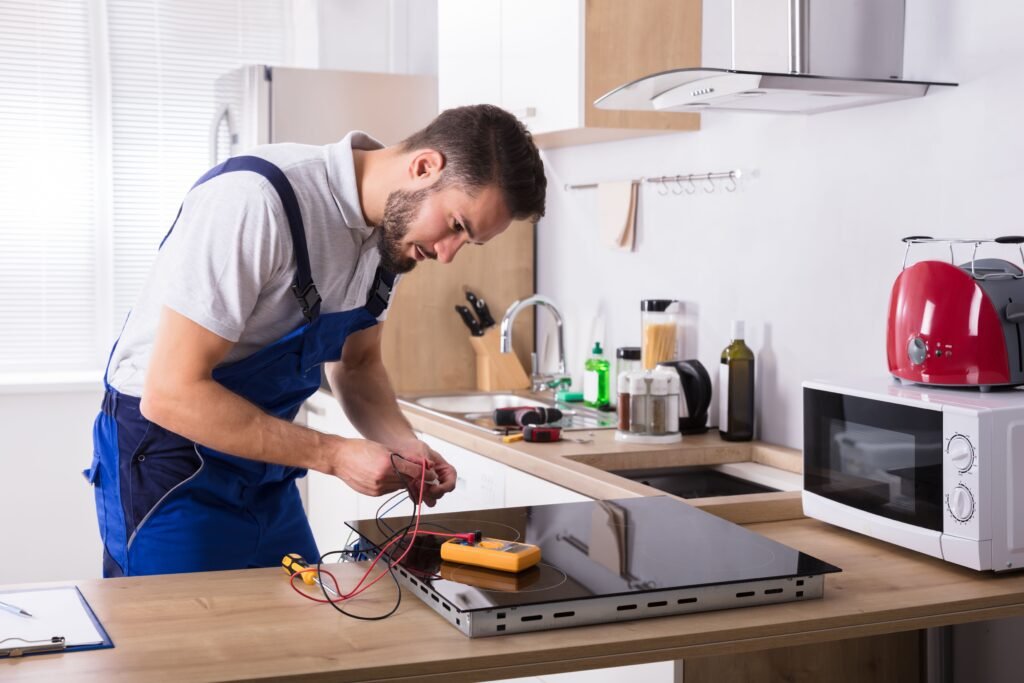
While some minor issues like balancing a load of laundry can be done at home, resolving complex mechanical and electrical failures requires specialist tools. Just like diagnosing advanced kitchen appliances, fixing a modern washer requires a deep understanding of digital control boards, water valves, and high-voltage motors. Attempting a DIY fix on these interconnected systems carries a risk of electrical shock or accidental flooding. When a major machine acts up, hiring an expert team like RMJP Appliance Repair INC ensures that the root cause is accurately identified and safely repaired.
The Machine is Not Filling with Water
If your washer starts its cycle but no water enters the tub, you likely have a faulty water inlet valve or a clogged filter screen. The inlet valve controls the flow of both hot and cold water into the machine. Over time, mineral deposits from hard water can block the small screens inside the valve, or the electronic solenoids can burn out, leaving the machine unable to fill.
Conclusion
Most major washing machine breakdowns start as minor, manageable issues. Paying close attention to unusual shaking, slow drainage, or faint burning smells allows you to schedule repairs before the machine stops working entirely.
When you notice your laundry equipment struggling, contacting a certified local provider like RMJP Appliance Repair INC keeps your home running efficiently. Taking quick action saves you money on utility bills and extends the operational life of your valuable household machines.