Introduction
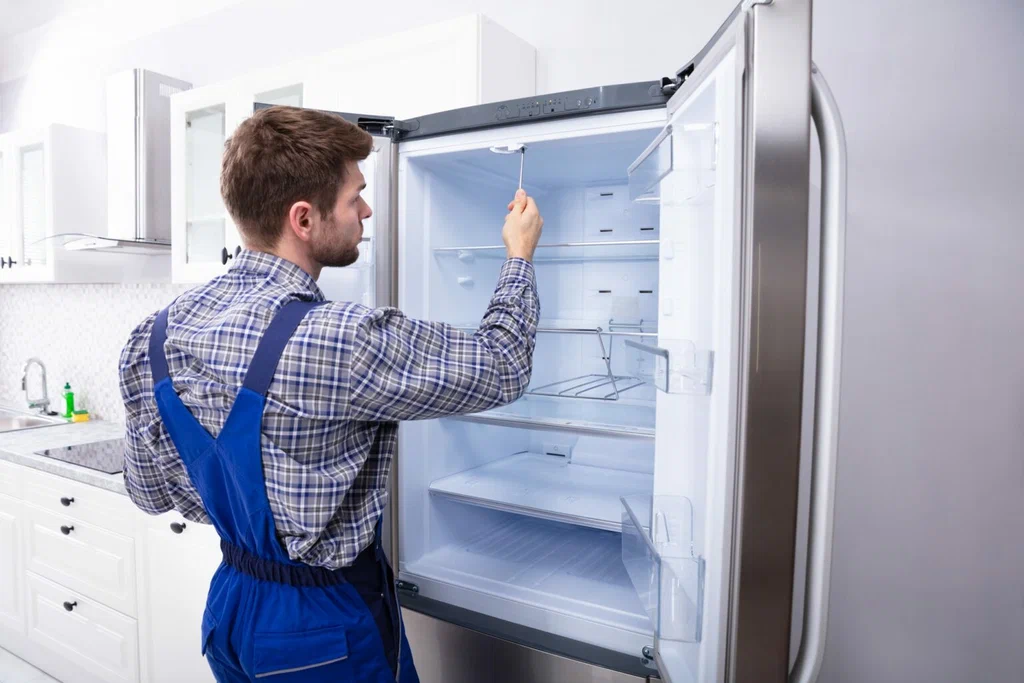
A refrigerator is the heart of the modern kitchen, operating continuously to keep your food fresh and safe. When it suddenly stops cooling, it creates an immediate household crisis that threatens hundreds of dollars in groceries. Identifying the root cause of the breakdown quickly can save your food from spoiling and prevent further system damage. If your fridge is warming up unexpectedly, booking certified Appliance Repair Services in Satellite Beach, FL ensures a quick diagnostic fix before the problem escalates. Understanding how these cooling systems function helps you determine whether you need a quick maintenance tweak or an expert intervention.
Accumulation of Dust on Condenser Coils
One of the most frequent reasons a refrigerator loses its cooling power is dirty condenser coils. These coils, typically located at the bottom or back of the unit, are responsible for dissipating the heat removed from inside the fridge.
Over time, they collect pet hair, dust, and lint. When the coils are coated in debris, they cannot release heat efficiently, forcing the compressor to work twice as hard. If the compressor overheats, the entire unit stops cooling. Homeowners can often fix this by pulling the fridge out, disconnecting the power, and using a vacuum or specialized brush to clean the coils every six months to maintain optimal airflow.
Faulty Evaporator Fan Motor
If you notice that the freezer section remains freezing cold but the fresh food compartment is warm, the culprit is likely a failing evaporator fan. This fan draws cold air across the evaporator coils and circulates it throughout the entire unit.
When the fan motor fails, it often makes a loud squealing, chirping, or clicking noise before stopping completely. Without the fan operating, the cold air stays trapped in the freezer, leaving your milk and produce at room temperature. Replacing a worn-out fan motor requires opening the interior back panel and handling delicate electrical wiring, which is best left to experienced hands.
Malfunctioning Defrost System Components
Modern refrigerators feature an automatic defrost cycle that prevents frost from building up on the internal cooling coils. This system relies on three main parts: a defrost timer, a defrost heater, and a thermostat sensor.
If any of these components fail, heavy ice will accumulate directly over the evaporator coils. This thick frost layer acts as an insulator, blocking the airflow needed to cool the cabinet. If you open your freezer and notice the back wall is covered in thick, sheet-like ice, your automatic defrost system has broken down and needs a component replacement.
Damaged or Leaking Door Gaskets
Sometimes the cooling issue isn’t a mechanical breakdown but a simple sealing failure. The rubber gaskets running along the edge of your refrigerator and freezer doors create an airtight seal that keeps warm kitchen air out and cold air in.
If these seals become torn, cracked, or brittle with age, cold air constantly escapes while humid air rushes inside. This forces your fridge to run non-stop, causing utility bills to spike and straining the internal motor. You can test your seals by closing the door on a dollar bill; if it pulls out easily without any resistance, your gaskets need to be replaced.
Determining If Your Home Appliance Needs Professional Attention
While cleaning dusty coils or wiping down dirty door seals are easy tasks for a homeowner, major mechanical faults require specialized tools. Knowing exactly when your home appliance needs professional attention prevents you from accidentally worsening the damage or voiding your manufacturer warranty. If your compressor is clicking repeatedly but refusing to start, or if you suspect a sealed system refrigerant leak, attempting a DIY fix is dangerous. In these complex scenarios, contacting a certified local provider like RMJP Appliance Repair INC ensures the unit is diagnosed safely using precise pressure gauges and electrical meters.
Overloading and Blocked Interior Vents
It is easy to accidentally restrict your fridge’s cooling ability by overstocking the shelves. Cold air must flow freely between the freezer and the refrigerator sections through small openings called vents.
Placing large boxes of food or tall bottles directly in front of these vents blocks the circulation of chilled air. This creates uneven temperatures, leaving certain shelves warm while others freeze your food. Keep your groceries organized and ensure that all interior air vents remain completely unobstructed to allow steady, uniform cooling.
Conclusion: Restoring Kitchen Efficiency
A warming refrigerator requires fast action to protect your home’s food supply and avoid expensive compressor failures. While basic preventative maintenance like cleaning the condenser coils can resolve minor cooling issues, deep mechanical and electrical faults demand expert diagnostics.
When simple troubleshooting steps fail to lower the temperature, reaching out to a dependable local business like RMJP Appliance Repair INC gives you peace of mind. Investing in timely repairs preserves your kitchen’s efficiency, extends the operational lifespan of your refrigerator, and keeps your household running without stressful interruptions.