Dealing with a washing machine full of stagnant, soapy water is a frustrating experience that can bring your household chores to a grinding halt. If you find yourself staring at a drum that refuses to empty, the issue usually stems from a blockage or a mechanical failure within the drainage system. For homeowners dealing with these sudden breakdowns, seeking expert Appliance Repair Services in Satellite Beach, FL, is often the fastest way to get your laundry routine back on track. However, before you panic, understanding the common culprits behind drainage failures can help you decide whether you need a simple DIY fix or a professional intervention.
Common Causes of Drainage Failure
A washing machine that won’t drain is often trying to tell you that something is obstructing the flow of water. These machines rely on a sequence of timed events, and if the water doesn’t exit the tub within a specific window, the cycle will stall.
- Clogged Drain Hose: The corrugated plastic tube at the back of your machine is the primary exit route for water. Over time, lint, coins, or even small socks can get sucked into this hose, creating a dam.
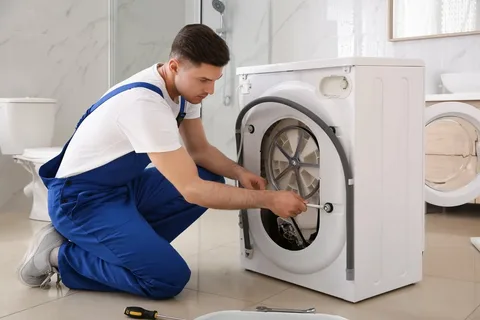
- Pump Filter Obstruction: Most front-loading machines have a debris filter located behind a small door at the bottom front. This filter is designed to catch “treasures” left in pockets. If it hasn’t been cleaned in months, the buildup will eventually prevent the pump from pushing water out.
- Kinked Hoses: Sometimes the solution is as simple as checking the physical position of the machine. If the washer has shifted during a heavy spin cycle, it may have pinched the drain hose against the wall.
The Role of the Drain Pump
The drain pump is the mechanical heart of the drainage process. Driven by a small electric motor, it forces water out of the drum and up through the standpipe. If you hear a loud humming or growling sound when the machine is supposed to be draining, something might be jammed in the pump’s impeller. If the pump is silent despite the machine being in the correct cycle, the motor itself may have burned out. This is a common point of failure where RMJP Appliance Repair can provide a quick diagnostic and component replacement to prevent further damage to the appliance’s control board.
Lid Switch and Door Latch Issues
Many people don’t realize that a washing machine’s ability to drain is often tied to its safety sensors. For top-loading machines, the lid switch must be engaged for the motor to trigger the drain and spin cycles. If the switch is broken, the machine “thinks” the lid is open and will refuse to move to the next step. Similarly, front-loaders use a door strike and latch assembly. If the door isn’t locked securely, the sensors will prevent the drainage pump from activating to avoid potential leaks.
Troubleshooting and Preventive Maintenance
To avoid a flooded laundry room, regular maintenance is key. Checking your pockets for loose items before starting a load is the simplest way to prevent washer pump clogs. Additionally, using the correct amount of HE (High-Efficiency) detergent is crucial. Excess suds can create “suds lock,” a condition where the sensors detect too much foam and stop the pump from operating correctly.
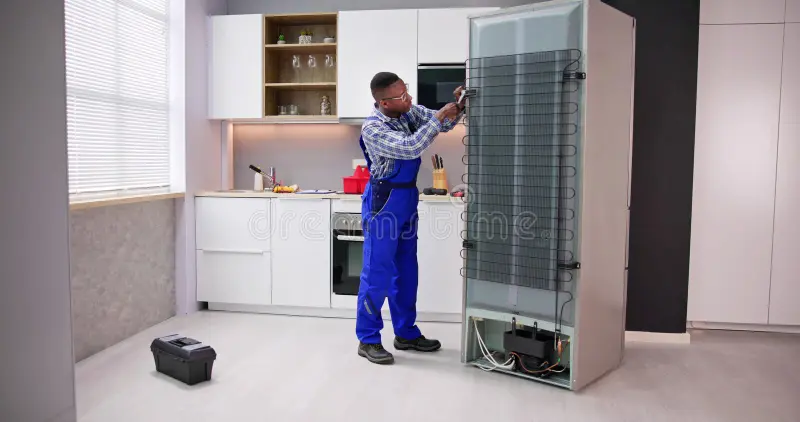
When your laundry room is in chaos, you might also find yourself wondering how to fix a refrigerator that isn’t cooling, as appliance issues often seem to happen in clusters. While the mechanics are different, the principle remains the same: airflow and fluid movement are the keys to a functional home. Keeping your appliances clean and free of obstructions is the best way to ensure they last for their full expected lifespan.
Professional Solutions for Complex Repairs
If you have checked the filters and ensured the hoses are clear but the water remains stubbornly in the tub, you may be facing a failing drive belt or a corrupted electronic control board. These components require specialized tools to test and replace. RMJP Appliance Repair specialists are trained to handle these high-tech components, ensuring that your machine is calibrated correctly to prevent future leaks or motor burnouts.
Quick Checklist for a Non-Draining Washer
- Perform a Master Reset: Unplug the machine for one minute and then plug it back in. Sometimes the computer just needs a reboot.
- Inspect the Standpipe: Ensure the drain hose isn’t pushed too far down into the wall’s standpipe, which can cause a siphoning effect.
- Manual Drain: Use the small emergency drain tube (usually found near the filter) to empty the water into a shallow tray before attempting to remove the main filter.
By identifying these issues early, you can avoid the high cost of water damage to your flooring. While many minor clogs can be handled with a bit of patience and a bucket, persistent drainage problems usually indicate a mechanical part nearing the end of its life. Staying informed and knowing when to call for local expertise will keep your home running efficiently.